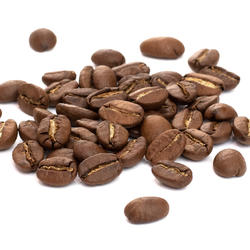


Cuba Altura Lavado Exclusive – Roasted Coffee

Caribbean, cigars, rum... What more could you want from Cuba? Excellent coffee, of course! It's grown by small farmers in the Sierra Maestra mountains in the south-east of the island. 90% of Cuba's coffee comes from the densely forested hills dotted with deep valleys of wild rivers. Such beautiful sites are now protected under the national park regime.
Shipping methods
| Nizozemská pošta HD - zásilkovna | Delivered by 8. 10. | 1,00 € |
|---|---|---|
 DHL DHL |
Delivered by 8. 10. | 4,90 € |


Ingredients
100 % ArabicaTaste & Crema
Cuba Altura Lavado is one of the arabicas with very low acidity. Coffee lovers will be delighted by the balanced sweetness that complements the spicy aroma of the natural tobacco so typical of Cuba. Crema is coherent and longlasting.
Origins
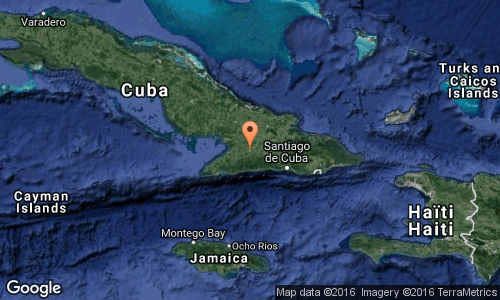
To learn more about this coffee, we need to imagine the landscape in which it grows. The Sierra Maestra region is one of the most traditional locations for growing Cuban coffee. The mountains in the south-east of the country seem to rise straight from the ocean. It is the highest on the island and also contains Cuba's highest mountain, Pico Torquino, at 1,974m. The Sierra Maestra is famous not only for its mineral deposits and amazing flora and fauna, but also, unfortunately, for its rebel fighting. Guerrilla warfare has been fought in the mountains since the 16th century. Fidel Castro hid here after he returned from exile in Mexico in 1956.
But this unstable situation doesn't change the fact that the Sierra Maestra has excellent climatic conditions for growing coffee trees. Coffee has been harvested in Cuba since the mid-18th century, with production peaking during the 19th and early 20th centuries. After the Cuban Revolution in 1959, the coffee industry was nationalized, large farms were dismantled and production declined. Today, all Cuban coffee is exported by Cubaexport, which regulates prices and purchases from small growers and processors.
Cuban coffee berries are harvested from September to January, with the most frequent and largest quantities occurring in October and November. Farmers process the produce by washing. Therefore, the beans are beautifully clean and completely rid of skins. Cuban coffee is exported to Japan, France, Germany, the UK, Canada and New Zealand. Interestingly, Cubans themselves can buy 2 ounces of coffee every 15 days.


Benefits of coffee


Coffee packaging preview
Our quality aluminum packaging lacks any bold graphics, as we’d rather focus on the taste of our coffee. It always comes fresh thanks to degassing valve, which releases the gases that occur after roasting. Thanks to the hermetic seal, this container helps the contents further keep their freshness and protect them against humidity, light or foreign odors.
Instructions for preparation
Grind your coffee according to your preferred method.
Use 14ml of water per 1g of coffee. For 1 cup of coffee use 7g.
Add your coffee and pour over with boiled water (95°C).


Are you looking for inspiration? Other customers have bought this:
Cuba Serrano Superior – Roasted Coffee
Brazil Dolce Diamantina – Roasted Coffee