

Why our products?
- Free shipping on orders over 49 €
- Satisfied customers
- Delivery date is specified within the product description
Benefits of Alfalfa - lucerne
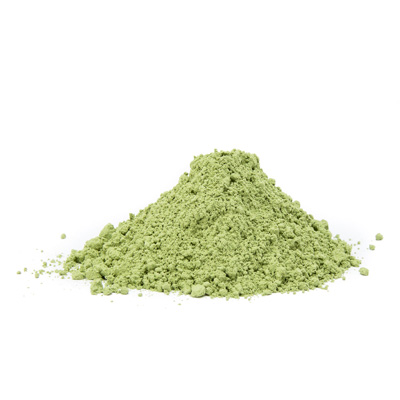
The ancestor of all food, such is the meaning of the Arabic word alfalfa. Indeed, thanks to its immense nutritional richness, the sprouts of alfalfa have been a great source of nutrition on the battlefields and the seas. However, this herb also has something to say in folk medicine.
Alfalfa, Lucerne or Medicago sativa in Latin, is native to southern and central Asia. But now you can find it almost all over the world. Originally, it was grown as an excellent livestock feed. That is why it is also called buffalo or cow grass. Gradually, however, people discovered that they could benefit from it themselves. Both in terms of nutrition and health benefits.
Alfalfa is a plant up to 50 centimetres tall and belongs to the same family as the well-known red clover. They are very similar in shape and colour - purple to red-purple. Alfalfa is very generous in beneficial substances for our organisms. For example, it contains vitamins K and C, calcium, folic acid and many other substances. Alfalfa can be eaten raw in the form of roots and shoots. In this case, however, it is essential to know its origin so that it does not contain harmful substances from the soil. Another option is to add it to food and drinks in dried form. Grinding it into a fine powder is very practical. It can easily be made into a tasty infusion or added to smoothies or yoghurts. Alfalfa is not recommended for pregnant women and people suffering from blood clotting disorders.
Approved health effects:
- Healthy-looking hair and nails
- Normal blood cholesterol levels
- Comfort during menopause
- Carbohydrate metabolism
- Normal digestion - reduced gas production