

Why our products?
- Free shipping on orders over 49 €
- Satisfied customers
- Delivery date is specified within the product description
Benefits of basil
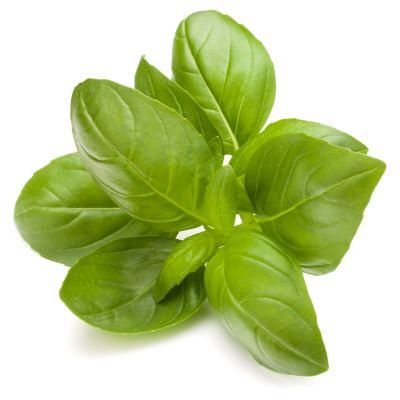
Guardian of the peaceful repose of the departed. Queen of herbs. Ace of Ayurvedic and Chinese medicine. The plant without which Italian cuisine would not be what it is today. Have you guessed? Yes, you are reading about basil right here.
Everyone has tasted basil. Different cultivars have differently coloured and sized leaves and taste like limes, aniseed or cinnamon, for example. However, basil has its specific taste, which is so typical of Mediterranean cuisine, and fresh green leaves.
The first traces of this herb date back some 5,000 years to India. Here, one variant has earned a place of honour and importance in Ayurveda under the name Tulsi. Around the 9th century BC, it did the same in Chinese folk medicine and it was only a matter of time before it took over the Western world. Because of its unpretentiousness, you can find it virtually anywhere in temperate climates today. The biggest producers are currently France, Italy, Morocco and Egypt.
Although its name probably derives from the Greek ''basilikohn'', meaning ''royal'', and one of the species is directly called the Sacred Basil, it has long been regarded as a plant of the devil. The original name has been corrupted into the Latin term "basiliscus", or basilisk, a creature that brings evil and death.
The herb can be added to beverages and dishes in both fresh and dried form. Consumption can be regular or long-term but in reasonable quantities. Otherwise, it can cause restlessness and minor intestinal problems.
Approved health effects:
- Calming - relaxation - sleep
- Mental & cognitive function - blood circulation
- Normal respiratory system function
- Heart, vitality and stress
- Immune system - antioxidant
- Normal digestion
- Excretion of water from the body