

Why our products?
- Free shipping on orders over 49 €
- Satisfied customers
- Delivery date is specified within the product description
Benefits of Mucuna Pruriens
Sanskrit took care in naming Mucuna pruriens. It has two names for this exotic plant. One is atmagupta, which can be translated as "secret self". The other is kapikacchu, and despite its apparent resemblance to a yellow animated creature, it means "the one that itches like a monkey."
Mucuna pruriens is a traditional plant of Ayurvedic medicine. It is considered, among other things, an effective antidote for snake bites. It is also a part of Chinese medicine, especially the concept of yang, the philosophy of the masculine element and creative power.
The climbing shrub, whose tendrils can grow to an impressive 15 metres, is found in tropical areas of Africa, India and the Caribbean.
Its young leaves and pods have an intense itching and skin-irritating effect at the slightest touch. That is due to the fine hairs with hooks that form the surface of the aforementioned parts of the plant. They have given rise to the popular name of ''velvet beans''. After a while, however, these hairs are lost, and direct contact is no longer safe.
The pods contain white bean-like fruits. It is mainly because of these that the mucuna has been in the crosshairs of Western medicine in recent years. They contain the highly prized substance levadopa (L-dopa).
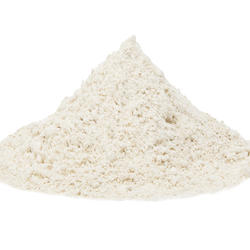
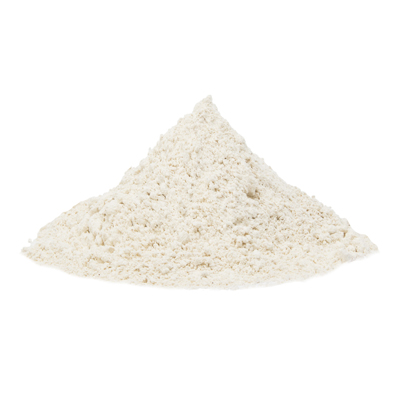
The beans can be consumed variously. People traditionally cook them or roast them to make a coffee substitute. They can also be ground into a fine powder and added to many dishes and drinks.
Prior consultation with GP is required for people taking psychopharmaceuticals, and those being treated for heart disease or stomach ulcers. Pregnant and breastfeeding women should avoid it altogether.
Approved health effects:
- Nervous balance
- Male fertility
- Metabolism - growth hormone
- Testosterone metabolism
- Carbohydrate metabolism
- Immune system
- Antioxidant
- Normal function of the reproductive system