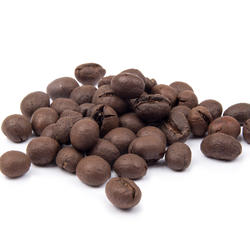


Mexico Chiapas Robusta – Organic Roasted Coffee

Organically-grown robusta is just the thing for when you need a boost or want to experiment a little. In the first case, brew it on its own. In the second, mix it with one of your favorite arabicas. You will always find a sweet caramel, chocolate, and pleasant taste of fruit in the cup. This Mexican robusta is balanced and rich.
Shipping methods
| Nizozemská pošta HD - zásilkovna | 1,00 € | |
|---|---|---|
 DHL DHL |
4,90 € |


Ingredients
100 % Robusta BIOTaste & Crema
Robusta Mexico Chiapas coffee is typical for its medium acidity, rich aroma, and notes of chocolate, caramel, and citrus. You will get a thick, tall, and compact crema.
Origins

Chiapas is one of the states of Mexico that's characterized by a humid tropical climate. In earlier times, its lowlands were covered with rainforest, but these had to give way to farmland. Coffee plants were introduced to the country in 1954 in the Veracruz region. A few decades later, the first plantations were also established in the Chiapas region. It soon became the largest coffee producer in Mexico. Although Mexican coffee is rarely talked about, it is one of the top-quality varieties with a distinctive fruit profile. Local farmers usually cultivate small mountain plantations. It is estimated that around half a million people in Mexico are involved in coffee farming and related industries. Mexico is also one of the world's largest producers of organic coffee.
Coffee is processed by washing. It means that after harvesting, workers transport them to so-called processing mills, pouring them into the water, where a current pushes them through crushing plates. The cherries are thus stripped of their tough skin and, in part, of the sweet pulp surrounding the green grains. The next step is fermentation, during which the loose coffee goes into barrels of water and remains there for up to 36 hours, during which time the natural process dissolves the remaining mucilaginous pulp and fiber. After rinsing, the farmers spread the coffee on concrete slabs where it is left to dry well. Drying must include frequent raking to prevent the coffee from molding. When this stage is also over, sorting and packaging come into play.
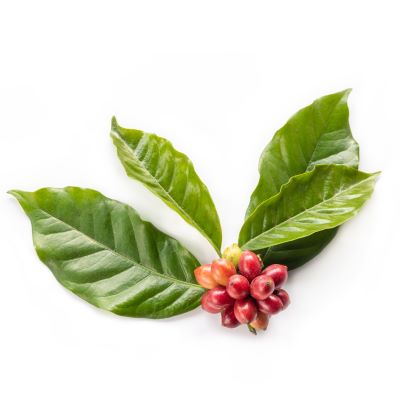
We will briefly mention robusta, which, in some ways, differs from arabica. The Coffea robusta plant (technically Coffea canephora) is native to sub-Saharan Africa. It grows up to 10m, has a higher yield than arabica, and its seeds contain more caffeine (2.7% for robusta compared to 1.5% for arabica) and less sugar. At the same time, robusta is less susceptible to pests and, therefore, requires less industrial sprays and treatments during cultivation.


Benefits of coffee

Coffee packaging preview
Our quality aluminum packaging lacks any bold graphics, as we’d rather focus on the taste of our coffee. It always comes fresh thanks to degassing valve, which releases the gases that occur after roasting. Thanks to the hermetic seal, this container helps the contents further keep their freshness and protect them against humidity, light or foreign odors.
Instructions for preparation
Grind your coffee according to your preferred method.
Use 14ml of water per 1g of coffee. For 1 cup of coffee use 7g.
Add your coffee and cover with boiled water (95°C).


Are you looking for inspiration? Other customers have bought this:
Brazil Conillion Robusta – Roasted Coffee
Indonesia Bengkulu Robusta – Roasted Coffee