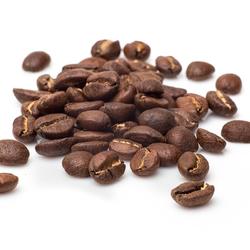


NICARAGUA WASHED SHG EP LAS CAMPANILLAS - coffee beans

Central American Arabicas are renowned for their smooth body, balanced sweetness, and mild acidity. These characteristics precisely describe the taste of the washed beans from the Rizo family farm. This family has been cultivating coffee plants in Nicaragua for over two centuries, and they do so with meticulous care and superior control over each step of the process. The result is a top-quality harvest and the preservation of fauna, flora, and water resources in the hills of Matagalpa and Jinotega.
Shipping methods
| Nizozemská pošta HD - zásilkovna | Delivered by 15. 10. | 1,00 € |
|---|---|---|
 DHL DHL |
Delivered by 15. 10. | 4,90 € |


Ingredients
100 % ArabicaCrema and flavour of the coffee
The Nicaragua Washed SHG EP Las Campanillas coffee bean is harmonious, sober, and memorable. You will find a mild acidity complemented by washed coffees' natural sweetness and fruitiness. Traces of nuts and chocolate complement these. As it is an arabica, you will get a smooth and elastic crema when prepared in a home automatic coffee machine.
Origin of the coffee

In Nicaragua, a Central American country between the Pacific and the Caribbean, coffee is harvested from October to March. Farmers plant coffee plants at an altitude of 1,100 to 1,600 metres and process the beans by washing (wet process). Many local coffees are given the SHG (Strictly High Grow) designation, indicating they come from high altitudes. In the case of Nicaragua Washed SHG EP Las Campanillas, its name also includes the abbreviation EP (European Preparation), which indicates that it meets the European standard for the number of defective beans. Coffee with this designation is hand-picked and stripped of such beans.
Coffee began to be exported from Nicaragua in the mid-18th century. And, as in other countries, civil wars, natural disasters, and the global political climate had an impact on its production and export. In recent years, Nicaragua has become the twelfth largest coffee producer in the world, exporting about 115 tonnes a year. Farms number in the tens of thousands, employing more than a quarter of a million people a year. It is also typical of Nicaragua that the vast majority of coffee plants are grown in the shade, which is also the case with Nicaragua Washed SHG EP Las Campanillas.
Mr. Rizo's family, from whom this coffee comes, has been involved in the craft for more than two centuries. He owns 400 hectares of coffee plantations in the central part of the country, which is very mountainous. That is another of the common features of Central American coffees - they usually grow in inaccessible places, so no fertilizers or treatments are used in their cultivation. Transporting them would be extremely difficult. During the harvest, the Rizo family hires up to a thousand workers to go to the plantations. They take the harvested red cherries to the farm for processing. There, they are first dumped into vats of water and stripped of unripe pieces. Then, they are pressed through special mills that peel off the skin, and some sweet flesh envelops the grains. These must be left in water for some time to undergo fermentation, which ''dissolves'' the last of the pulp. Finally, the coffee is dried in direct sunlight or drying rooms. Farm owners are careful to harvest and process the coffee and ensure their employees' health and education.
They provide free school programs for children living on the farm and children from neighbouring communities. They also farm with biodiversity conservation and water conservation in mind. A final sip. That is a sign of high quality and confirmation of its classification as a speciality coffee.
Benefits of coffee


Coffee packaging preview
Our quality aluminum packaging lacks any bold graphics, as we’d rather focus on the taste of our coffee. It always comes fresh thanks to degassing valve, which releases the gases that occur after roasting. Thanks to the hermetic seal, this container helps the contents further keep their freshness and protect them against humidity, light or foreign odors.
Instructions for preparation
- Grind the coffee to a coarseness appropriate for this type of preparation.
- Use 1.5-2 teaspoons (approx. 7 g) of ground coffee for each cup.
- Pour on water (95°C).


Are you looking for inspiration? Other customers have bought this:
Mexico Altura – Roasted Coffee
Colombia Supremo Medelin Andeano – Roasted Coffee