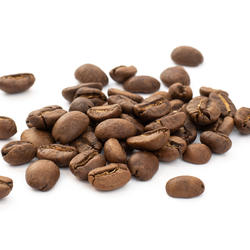


Zambia AA – Roasted Coffee

Indigenous to the Khoin people with the capital city of Lusaka – South African Zambia has many remarkable sights. One of them is the cultivation of coffee trees, which has only been associated with this developing country since the 1940s. Zambia's coffee has not yet received the accolades it deserves, but we are absolutely certain of its exceptional qualities. Try it and see for yourself. You'll be hearing about Zambian coffee soon.
Shipping methods
| Nizozemská pošta HD - zásilkovna | Delivered by 22. 10. | 1,00 € |
|---|---|---|
 DHL DHL |
Delivered by 22. 10. | 4,90 € |


Ingredients
100 % ArabicaTaste & Crema
Zambia AA coffee is characterized by medium to high acidity combined with a sweet taste reflecting notes of flowers and citrus fruits. It leaves a delicious creamy trail on the palate. The espresso is covered with a thick, cohesive foam.
Origins

Although Zambia is currently a newcomer in the coffee market, its climate, altitude and soil characteristics make it destined for successful coffee production. If it manages to support smallholder coffee growers, it could make a bold bet for a place in the top ten African coffees. Unfortunately, the situation in Zambia is very complicated at the moment.
The developing country is struggling to find ways to raise its revenue, and although it has the highest number of water resources in the southern African region, it uses almost none of them to irrigate farmland. Zambia produces small amounts of corn, sugar cane and tobacco, but is the world's largest exporter of copper and cobalt.
Coffee was brought to Zambia by missionaries in the 1940s. The first coffee trees were planted in the northeast, but for 40 long years no one was significantly involved in harvesting and processing the fruit. However, the situation is slowly changing. Today there are 18 large plantations in Zambia, each covering at least 500 hectares. On the one hand, this is good news, but on the other hand, it is important to realize that large-scale plantations are crowding out small-scale farmers. They are then unable to get bank loans and their businesses fail.
Zambia only grows arabica of which 50% is the Bourbon variety. Almost all of the harvest is processed by washing. The most important plantations today are located in the northern Muchinga Mountains (Nakonde, Kasama, Isoka) and near the capital Lusaka.
The AA mark in the coffee name refers to the extra-large beans.


Benefits of coffee


Coffee packaging preview
Our quality aluminum packaging lacks any bold graphics, as we’d rather focus on the taste of our coffee. It always comes fresh thanks to degassing valve, which releases the gases that occur after roasting. Thanks to the hermetic seal, this container helps the contents further keep their freshness and protect them against humidity, light or foreign odors.
Instructions for preparation
Grind your coffee according to your preferred method.
Use 14ml of water per 1g of coffee. For 1 cup of coffee use 7g.
Add your coffee and pour over with boiled water (95°C).


Are you looking for inspiration? Other customers have bought this:
Guatemala Antiqua San Juan SCR90 – Roasted Coffee
Peru Andes Gold – Roasted Coffee