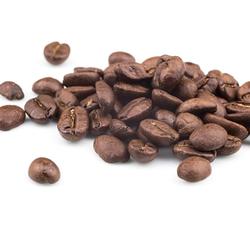


Brazil Conillion Robusta – Roasted Coffee

Prepare your coffee and take in all the aroma and flavor. They often carry a unique trace of their homeland and reflect the characteristics of their variety. Like wine connoisseurs, coffee enthusiasts can tell robusta from arabica and Brazil from Ethiopia. Let your senses search for the subtle nuances of coffee processed and dried under the Brazilian sun. You will discover a full, rich flavor with hints of chocolate.
Shipping methods
| Nizozemská pošta HD - zásilkovna | Delivered by 8. 10. | 1,00 € |
|---|---|---|
 DHL DHL |
Delivered by 8. 10. | 4,90 € |


Ingredients
100 % RobustaTaste & Crema
Robusta Brazil Conillon coffee is full-flavored, with medium acidity and a subtle chocolatey character. The beautifully symmetrical bean lends itself to both making a strong drip coffee and mixing with select arabicas. Try blending 50% of this robusta with 50% Brazilian arabica. Such a blend will yield an extraordinary espresso with rich and smooth crema, chocolate, nuts, and fruit flavors.
Origins
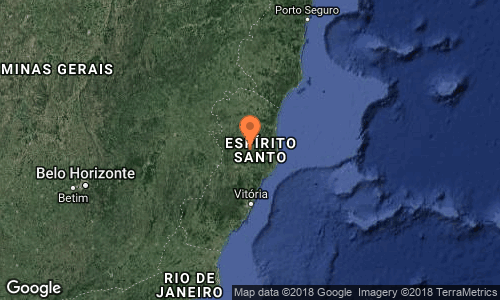
Brazil and coffee go together like France and champagne. The largest and most populous country in South America accounts for a full third of the world's coffee production, and it is fair to say that Brazilian coffee is a concept that has gone down in history. After all, coffee has been a part of the country's humid tropical climate since the mid-18th century.
Coffee plantations cover some 27,000km2 and annually produce around 3 million tonnes of arabica and robusta. The latter is known as Conillon in Brazil. The first coffee bush (Coffea) is said to have been planted in Brazil by Francisco de Melo Palheta. That was in 1727 in the Pará region. Since then, coffee trees have spread to the regions of Minas Gerais, Sao Paulo, Paraná, Espírito Santo, Bahia, and Rondonia.
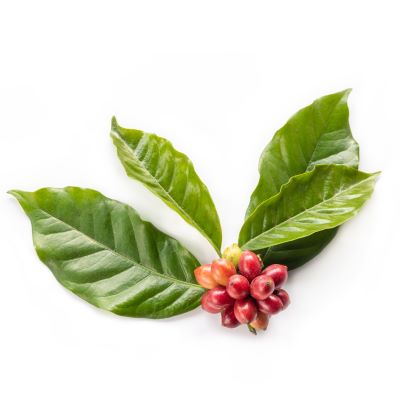
Coffee is harvested in Brazil between May and September. Coffee here is grown, harvested, and processed mainly by small businesses on farms at altitudes between 400-1600m. Statistics indicate that there are around 220,000 farms. They do not usually process the fruit of the coffee plant by washing, but by the classic dry method. The red coffee cherries are stripped of their skins and spread out in the sun to dry for 8-10 days. The coffee is then cleaned, sorted, and packed into 60kg bags.
Brazilian coffee production is dominated by arabica (85%), with local robusta grown mainly in the Espírito Santo region in the northwest.
Benefits of coffee

Coffee packaging preview
Our quality aluminum packaging lacks any bold graphics, as we’d rather focus on the taste of our coffee. It always comes fresh thanks to degassing valve, which releases the gases that occur after roasting. Thanks to the hermetic seal, this container helps the contents further keep their freshness and protect them against humidity, light or foreign odors.
Instructions for preparation
Grind your coffee according to your preferred method.
Use 14ml of water per 1g of coffee. For 1 cup of coffee use 7g.
Add your coffee and pour over with boiled water (95°C).


Are you looking for inspiration? Other customers have bought this:
Brazil Santos NY2 SSFC 17/18 – Roasted Coffee
Colombia Supremo Medelin Andeano – Roasted Coffee