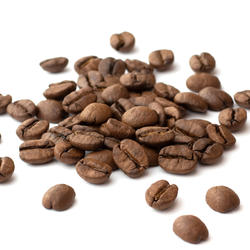


Brazil Poccos De Caldas – Organic Roasted Coffee

No other country holds coffee in such high esteem as Brazil. Coffee is a traditional beverage served at business meetings, in restaurants, or on the beach. It is distinctively strong, hot, and sweet, but it's best to enjoy the drink without any flavors – especially if it's from the Minas Gerais region. You'll uncover how coffee can be literally colorful and full of notes of honey, chocolate, grapes, and flowers.
Shipping methods
| Nizozemská pošta HD - zásilkovna | Delivered by 22. 10. | 1,00 € |
|---|---|---|
 DHL DHL |
Delivered by 22. 10. | 4,90 € |


Ingredients
100 % Arabica BIOTaste & Crema
Brazil Pocos de Caldas Minas Gerais organic coffee belongs to the sweeter varieties and it's very rich in taste. They are balanced, yet you can detect a range of nuances, from honey to grape and exotic flowers to fragrant cedarwood. All this is topped with milk and sprinkled with dark chocolate. Some even report a "powdery" sensation that a sip of this coffee leaves in the mouth.
Origins

Pocos de Caldas is a city located in the Minas Gerais region of southeastern Brazil. This region is larger than the whole of Spain and is divided into several geographical and cultural zones. In the southwestern part, the municipality of Pocos de Caldas was founded in 1872 and today has a population of around 166,000 inhabitants. Gold miners drove out the original Cataguases tribe. After discovering the hot springs in the town, Pocos de Caldas became an important spa town, visited by people from all over the country.
In addition to the hot springs, parks and gardens attract many tourists to the area. The São Domingos mountain is worth a visit, providing stunning views of the surrounding countryside. However, the main attraction remains the water, both thermal and from the local rivers. It supplies not only the spa but also the numerous fountains. The spa industry is linked to the production of soap and internationally renowned glass products.
The climate is characterized by dry winters and mild summers. Winter, with an average temperature of 15°C, occurs from April to September, while summer arrives in October at approximately 21°C. The average annual rainfall is around 1,430mm.
Coffee plants can be found almost everywhere in the Minas Gerais region. Some plantations grow coffee organically, meaning without using industrially produced fertilizers and treatments. Such coffee is in high demand on the market, and its production is supported by government and international programs. Not surprisingly, more and more farmers are beginning to take it up.
One of the most modern processing facilities in the region is located in Pocos de Caldas. The main season comes between June and September when Brazil's coffee is harvested. The processing of red coffee berries is carried out using the so-called wet method or washing. In large containers filled with water, the fruit of the coffee tree is mechanically stripped of its skin and some of its flesh. They are then left (again in vats of water) to ferment for a few days, allowing the pulp to break down completely and release the coffee beans. These eventually need to be dried. Before the coffee reaches the market, it rests for a few days in jute bags.
Brazil produces about a third of all the world's coffee. Plantations cover an area of about 27,000km² and are located mainly in the southeastern regions of Minas Gerais, São Paulo, and Paraná.


Benefits of coffee


Coffee packaging preview
Our quality aluminum packaging lacks any bold graphics, as we’d rather focus on the taste of our coffee. It always comes fresh thanks to degassing valve, which releases the gases that occur after roasting. Thanks to the hermetic seal, this container helps the contents further keep their freshness and protect them against humidity, light or foreign odors.
Instructions for preparation
Grind your coffee according to your preferred method.
Use 14ml of water per 1g of coffee. For 1 cup of coffee use 7g.
Add your coffee and cover with boiled water (95°C).


Are you looking for inspiration? Other customers have bought this:
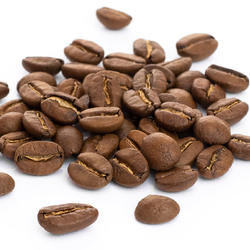
Guatemala SHB – Organic Roasted Coffee
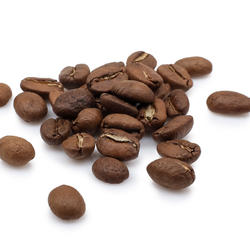
Peru SHB Pichanaki Grade 1 – Organic Roasted Coffee