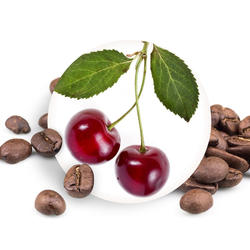


Cameroon Boyo Robusta – Roasted Coffee

Strong, harmonious, and with a bitter chocolate undertone, Cameroonian Robusta easily navigates the global markets. Some argue that it cannot compete with the great coffees of South America, while others see it as a paradigm of unique character. Determine for yourself where this Cameroonian gem fits. And if you deem it delicious, try mixing it with a good arabica. Experiment with the all the fragrant possibilities!
Shipping methods
| Nizozemská pošta HD - zásilkovna | Delivered by 8. 10. | 1,00 € |
|---|---|---|
 DHL DHL |
Delivered by 8. 10. | 4,90 € |


Ingredients
100 % RobustaTaste & Crema
You will recognize the Cameroon roast by its harmonious, full-bodied flavor with a trace of dark chocolate and nice undertones of wood and smoke. The crema is high and compact. This coffee is recommended for espresso, either on its own or as part of an espresso blend.
Origins

It is not hard to track down where Cameroon lies. How and who grows coffee there, however, is less known, but the equatorial African country ranks very highly among coffee producers. In 2014, it ranked 31st.
Cameroon's coffee plantations were established in 1884 by German colonizers. Highest production was recorded in 1990 when Cameroon became the 12th largest coffee exporter in the world. The decline in production is currently attributed to government policies and the global economic crisis. Yet, the country is unwilling to accept it and has asked Brazil and its coffee specialists to help with the solution.
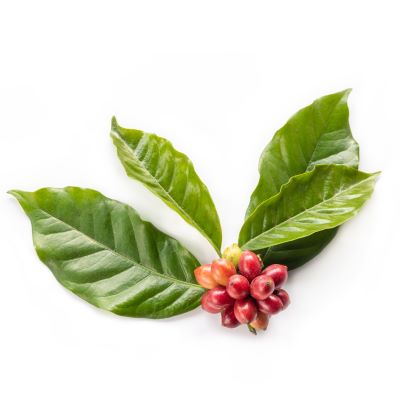
Currently, coffee is one of Cameroon's many agricultural commodities. Local farmers mainly focus on cotton, tobacco, and bananas. They also devote care and effort to growing coffee plants. In terms of species, the vast majority of Cameroonian coffee is robusta, which thrives in the mid-altitudes in the west of the country.
The harvesting is usually done by hand, with the red fruits of the coffee plants stripped of their skins (which farmers throw on the coffee plants to give them the nutrients they need). The truly traditional farmers process the fruit of the coffee plants in what is known as a dry process, but most of the production goes to centralized stations where the coffee is washed.
In 2013, Cameroon's coffee production was just under 42,000 tonnes. Robusta is exported to Belgium, Portugal, and France.
Benefits of coffee

Coffee packaging preview
Our quality aluminum packaging lacks any bold graphics, as we’d rather focus on the taste of our coffee. It always comes fresh thanks to degassing valve, which releases the gases that occur after roasting. Thanks to the hermetic seal, this container helps the contents further keep their freshness and protect them against humidity, light or foreign odors.
Instructions for preparation
Grind your coffee according to your preferred method.
Use 14ml of water per 1g of coffee. For 1 cup of coffee use 7g.
Add your coffee and pour over with boiled water (95°C).


Are you looking for inspiration? Other customers have bought this:
Brazil Santos NY2 SSFC 17/18 – Roasted Coffee
Mexico Altura – Roasted Coffee