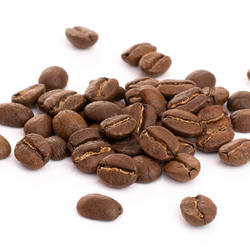


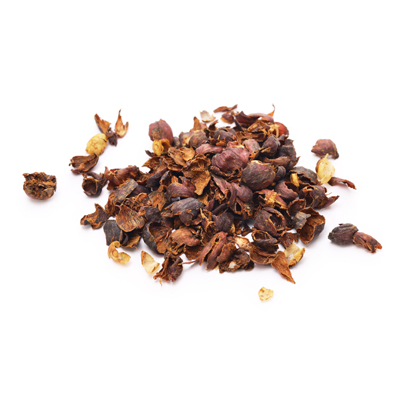
Costa Rica Cascara


Costa Rica, known as the Garden of Central America, has cultivated coffee since the 18th century and owes much to this crop. Revenue from coffee contributed to the construction of the first railroad on the Atlantic coast, and a national theater. Costa Rica has a profound love for its coffee. But local farmers take equal pride in another export – cascara. Dried coffee husks are becoming a favorite of healthy lifestyle enthusiasts and novel flavor lovers. Costa Rican Cascara will refresh, invigorate, and delight.
Shipping methods
| Nizozemská pošta HD - zásilkovna | Delivered by 15. 10. | 1,00 € |
|---|---|---|
 DHL DHL |
Delivered by 15. 10. | 4,90 € |


Ingredients
100 % CascaraTaste & Crema
Cascara from Costa Rica impresses with its amazing, intensely fruity aroma and great taste. If you pay attention, you will find sweet apricots, plums, citrus fruits, and sugarcane. The overall composition sounds very pleasant, pure, and delightfully sour. Don't limit yourself to sipping cascara only as a hot drink; it tastes great iced too. And don't be afraid to experiment. Cascara can be flavored with fruit, spice, or sweetened.
Origins

Travelers say that as the plane approaches the San Jose landing, the view of the green valleys and beautiful mountains takes their breath away. Costa Rica is a land of volcanoes, bays, sandy beaches, islands, and hills. Although it is a relatively small country (51,100km2), it is home to the world's largest number of animal and plant species per 10,000km2. Costa Rica is home to about 5% of the world's biodiversity! Biologists and tourists alike marvel at the hundreds of reptiles, birds, mammals, amphibians, and tens of thousands of plant species. So it's not a surprise that this Central American country is considered a photographer's paradise. Costa Ricans are well aware of their wealth: thanks to volunteer conservationists and the government's support, the rainforest's deforestation has almost completely stopped in recent years.
As for coffee, the locals also appreciate it. They owe it to the prosperity and stability of the country. Coffee trees (Coffea arabica) arrived in Costa Rica around the beginning of 17th century. The first plantations were established in the central valley, and Costa Rica became the first Central American country to export coffee (as well as bananas). Coffee cultivation soon surpassed the production of cocoa, tobacco, and sugar. By 1829, it had become a major source of export income. The coffee boom was kick-started when the government gave land to farmers who agreed to grow coffee for export. Of course, no growth lasts forever, and an economic crisis hit the Costa Rican coffee industry in the 1980s. Nevertheless, it is still true that Costa Rican coffee is among the best in the world.
It is said that Aida Batlle from nearby El Salvador is behind cascara's resurgence in popularity. The coffee grower has reached out to the market with dried coffee husks from her plantations, giving them the credit of being an excellent source of caffeine and antioxidants and tasting fabulous, too. Costa Rican cascara thus follows the tradition of the Ethiopian drink known as hashara.
There are two ways to get cascara – wet and dry. Each provides a slightly different result, reflected in the cascara's taste. Costa Rican farmers opt for dry processing, which is also called "natural". In this process, the coffee berries are not crushed in a water bath, but left in thin layers in the sun until the dried pulp is easy to peel. Cascara made this way has a stronger fruity flavor.
Tips for preparation
You can prepare this coffee-tea by brewing it in a ratio of 500ml per 15-20g of cascara and letting it steep for 5-10 minutes.
Dried coffee husks can also be boiled at a ratio of 7-10g per 250ml of water. After 7-12 minutes of boiling, strain it into a cup or a teapot.
It tastes wonderful on its own, but you can tweak the drink with ginger, cloves, honey, lemon or squeezed oranges, or coconut milk. Cold-brewing – soaking the peels in cold water and leaving them in the fridge for a few hours – is also a good idea.
Cascara has recently become trend and people use it in lemonades, granola bars or even make it into flour.
Benefits of coffee

Coffee packaging preview
Our quality aluminum packaging lacks any bold graphics, as we’d rather focus on the taste of our coffee. It always comes fresh thanks to degassing valve, which releases the gases that occur after roasting. Thanks to the hermetic seal, this container helps the contents further keep their freshness and protect them against humidity, light or foreign odors.
Instructions for preparation
Pour 500ml of hot water per 15-20g of cascara.
Steep for 10-15 minutes.


Are you looking for inspiration? Other customers have bought this:
Brazil Santos NY2 SSFC 17/18 – Roasted Coffee
Instant Coffee Mexico 100% Robusta