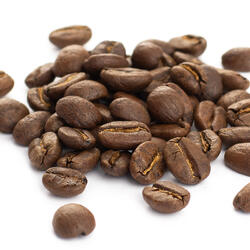


Ethiopia Djimmah Organic & Fair Trade – Roasted Coffee

From the very home of coffee, the mountainous landscape around the Great Lakes, we bring you the the coffee royalty. Ethiopian coffee has a well deserved place on the world market. The goats of a herder named Kaldi are said to be the first to taste it – and now you can experience its harmonious, full-bodied, slightly floral, and vine-like flavor, too.
Shipping methods
| Nizozemská pošta HD - zásilkovna | Delivered by 22. 10. | 1,00 € |
|---|---|---|
 DHL DHL |
Delivered by 22. 10. | 4,90 € |


Ingredients
100 % Arabica BIOTaste & Crema
This organically grown coffee cannot deny its origins. It is a coffee full of power with a heady, floral aftertaste. No wonder Ethiopia Djimmah is one of the world's best coffees. When properly prepared, it has a thick and compact crema and an exceptionally attractive aroma.
Origins

Kaffa is a province located in the southwest of Ethiopia. Its history and name are closely linked to coffee trees and coffee. The name Kaffa is probably derived from the Arabic qahwah, a drink made from coffee berries. Coffee has always been the main source of income here. However, in recent decades, due to falling coffee prices worldwide, Ethiopians have had to turn their attention to growing other crops. Unfortunately, this has entailed the clearing of rainforests and their conversion to farmable land.
Currently, 98% of Ethiopia's coffee is produced by small plantations. They form cooperatives and grow coffee trees together in the rainforest. 30 such groups market a year's harvest of unique coffee. The income from its sale helps more than 40,000 farmers, their families and workers. Kaffa was recognised by UNESCO as a biosphere reserve in 2010. This is also the reason why selected smallholders are dedicated to growing coffee without fertilizers and chemical sprays. This is precisely the case with Ethiopia Djimmah.
The red berries of the Forest variety of coffee trees are harvested several times a year. They are processed by washing, which is demanding on the technological equipment and experience of the farmers. On the other hand, washed coffee is very fresh, floral or fruity. In Ethiopia, the raw coffee beans are dried in direct sunlight. The country produces 60,000 tonnes of coffee annually.


Benefits of coffee


Coffee packaging preview
Our quality aluminum packaging lacks any bold graphics, as we’d rather focus on the taste of our coffee. It always comes fresh thanks to degassing valve, which releases the gases that occur after roasting. Thanks to the hermetic seal, this container helps the contents further keep their freshness and protect them against humidity, light or foreign odors.
Instructions for preparation
Grind your coffee according to your preferred method.
Use 14ml of water per 1g of coffee. For 1 cup of coffee use 7g.
Add your coffee and pour over with boiled water (95°C).


Are you looking for inspiration? Other customers have bought this:
Cuba Serrano Superior – Roasted Coffee
Organic Hot Cocoa 42%