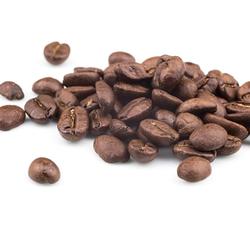


Guatemala Santa Rosa La Cabana – Roasted Coffee

Balanced and processed to perfection. This Guatemalan gem is headed to your cups to entertain not only seasoned coffee veterans, but also the ocassional enjoyer. Harvest from the La Cabana stands out for its fresh acidity and chocolatey sweetness, which makes it popular with baristas worldwide. The flavor never gets old – no wonder, since the coffee grew surrounded by banana trees, was harvested at peak maturity and carefully processed by washing. Drooling yet?
Shipping methods
| Nizozemská pošta HD - zásilkovna | Delivered by 15. 10. | 1,00 € |
|---|---|---|
 DHL DHL |
Delivered by 15. 10. | 4,90 € |


Ingredients
100 % ArabicaTaste & Crema
Guatemala Santa Rosa La Cabana coffee beans are among the coffees that you will grow to love very quickly. It is pleasantly sweet yet refreshing, with chocolate and a touch of fruit. Because it is an arabica, you can expect a smooth, light crema.
Origins

It is said that without coffee, Guatemala would not be where it is today. For over a century, coffee beans have brought significant resources to the Central American state's budget, are one of its main exports, and account for 40% of its agricultural income. Unsurprisingly, Guatemalans care for coffee, paying the utmost attention to its cultivation, harvesting, and processing. And if you go to a farm like La Cabana, you will be in for a truly enchanting experience. You will find the plantation in southeastern Guatemala, near the town of Nueva Santa Rosa. The entire Santa Rosa region is situated on a volcanic highland, rising to 1,845m. The slopes are nevertheless gentle, with a gradient of no more than 20%. The area receives 1,100-1,350mm of rainfall annually, and the average temperature is around 23°C. The coffee trees in La Cabana (and in the surrounding area) have the ideal conditions. The most commonly grown arabicas are Catuai, Caturra, and Bourbon. Robusta is hard to find in Guatemala. The processing of the coffee beans is equally defined – fully washed coffee is typical of Guatemala.
La Cabana farm harvests the fruit of the coffee plant at the highest ripeness. It is when dark spots start to appear on its yellow skin. That is between December and March. The cherries are plucked exclusively by hand. The day they are brought in from the plantation, the workers mechanically remove the skins and leave them to ferment in fermentation tanks for 36-48 hours. During this time, the pulp encasing the grains dissolves, and the desired natural enzyme oxidation processes take place. The green coffee is dried slowly on concrete terraces. Depending on sunlight and air temperature, 4-7 days. It allows the chocolate notes to develop and the flavor to gain balance and smoothness.
In addition to growing coffee plants, the farm owners also keep 160,000 bees. They both pollinate the coffee flowers and produce a truly unique "coffee" honey. Banana trees, macadamia nuts, and other tropical fruits grow around the plantations. Preserving biodiversity and taking advantage of the natural cycle of nature is essential for La Cabana. It uses only organic fertilizers and protects the soil by diversifying the plants planted.


Benefits of coffee


Coffee packaging preview
Our quality aluminum packaging lacks any bold graphics, as we’d rather focus on the taste of our coffee. It always comes fresh thanks to degassing valve, which releases the gases that occur after roasting. Thanks to the hermetic seal, this container helps the contents further keep their freshness and protect them against humidity, light or foreign odors.
Instructions for preparation
- Grind your coffee according to your preferred method.
- Use 14ml of water per 1g of coffee. For 1 cup of coffee use 7g.
- Add your coffee and cover with boiled water (95°C).


Are you looking for inspiration? Other customers have bought this:
Brazil Santos NY2 SSFC 17/18 – Roasted Coffee
Colombia Excelso Medelin EP Fancy – Roasted Coffee