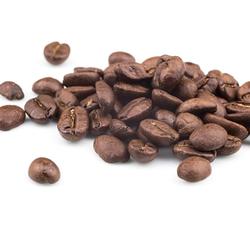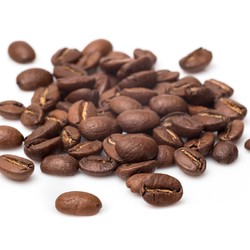


Java Jampit A/WP-1X Estates – Roasted Coffee

"It invigorates the mind and purifies the body". That's how Avicenna, a famous Persian scholar, described coffee over a thousand years ago. In Europe, it was first sold as medicine and near unaffordable for most. Only when supply has outgworn the demand did the price come down and made this energizing beverage blow up in popularity. Nowadays, we can even choose the origin – such as this Javanese delicacy.
Shipping methods
| Nizozemská pošta HD - zásilkovna | Delivered by 8. 10. | 1,00 € |
|---|---|---|
 DHL DHL |
Delivered by 8. 10. | 4,90 € |


Ingredients
100 % ArabicaTaste & Crema
Sweet and chocolate-y – that's Java Jampit arabica. Freshly roasted and well ground, it makes for a luxurious drink with a rich and stretchy crema. Its velvety body and low acidity are stunning. This coffee has an unusual depth that is accentuated by a blend of oriental aromas. Chocolate-y, smooth and spicy.
Origins

The Blawan & Jampit plantations, the home if this delicacy, are located in a beautiful landscape filled with volcanoes and lakes. The east of the exotic island of Java has been producing coffee since the late 17th century when the Dutch brought it there. From the Indonesian archipelago, coffee beans were transported to Europe on sailing ships and it is said that the sacks were used as ballast. Thanks to the sea salt, such coffee had an original flavor profile.
The Jember variety came to Indonesia from Ethiopia via India. It is characterized by notes of caramel, maple syrup and chocolate. All coffee trees are carefully sorted and treated to achieve maximum berry quality. They ripen virtually all year round and are harvested as such. They resemble a cherry in appearance. In contrast, it is not the flesh but the pits that are most valuable in the fruit of the coffee tree (Coffea arabica). The two hard, bean-shaped kernels have to be stripped of their pulp and skins in a rather complex way, then fermented, cleaned and sorted. The result is green coffee, which only with proper roasting acquires the desired chemical and physical structure. The typical brown shade of the coffee beans is the result of caramelisation of the sugars and carbonization of the cellulose. Roasting is an extremely delicate process to which we pay as much attention as we do to the selection of quality plantation coffee.


Benefits of coffee


Coffee packaging preview
Our quality aluminum packaging lacks any bold graphics, as we’d rather focus on the taste of our coffee. It always comes fresh thanks to degassing valve, which releases the gases that occur after roasting. Thanks to the hermetic seal, this container helps the contents further keep their freshness and protect them against humidity, light or foreign odors.
Instructions for preparation
Grind your coffee according to your preferred method.
Use 14ml of water per 1g of coffee. For 1 cup of coffee use 7g.
Add your coffee and pour over with boiled water (95°C).


Are you looking for inspiration? Other customers have bought this:
Brazil Santos NY2 SSFC 17/18 – Roasted Coffee