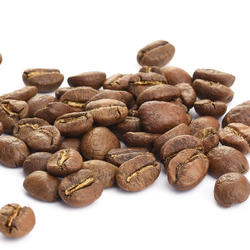


Kenya AA Top Muranga Gakui Washed Microlot – Roasted Coffee

Treat yourself to a coffee with lineage. Why? Because you'll taste a unique combination of sweet chocolate, redcurrants, and juicy blackberries. And because microlots are not only rare but also very carefully grown, harvested, and processed, it is impossible to find the same coffee anywhere else in the world. Arabica from the Muranga plantations will convince you that the legends about Kenya being the promised land of coffee are true.
Shipping methods
| Nizozemská pošta HD - zásilkovna | Delivered by 22. 10. | 1,00 € |
|---|---|---|
 DHL DHL |
Delivered by 22. 10. | 4,90 € |


Ingredients
100 % ArabicaTaste & Crema
Kenya AA Top Muranga Gakui Washed is one of those coffees with a rich flavor, deep acidity, and an extremely pleasant aroma. You'll encounter the round flavor of sweet chocolate and fresh, bright fruity notes – especially of redcurrant and ripe blackberries. However, this is definitely not a bitter coffee. The cup will delight you with an intense taste and a long aftertaste.
Origins

If you were to visit the Murang'a County region in the central part of Kenya, you would be thrilled by the beautiful scenery and the many tourist attractions. For example, you could visit the burial site of Paramount Chief Karuri Gakure, explore the Mau Mau Caves, or go on a climbing expedition in the Aberdare Mountains. The area is also famous for its fly-fishing camps, where fishermen from all over the world flock. The Mathioya River is also one of Kenya's most difficult rafting rivers.
Besides, you'd certainly come across tea plantations, which benefit greatly from the local climate, just like the coffee plantation. After all, tea and coffee are among the main export crops of Murang'a County. The bushes of the popular Kenyan Arabica varieties of the SL series (especially SL 34 and SL 28) are viable and produce top-quality beans. The abbreviation SL is based on Scott Laboratories, the Kenyan research center that developed these varieties. These coffee trees are tall, with pointed leaves, they have low nutrient requirements, and tolerate drought well. The fruits of the incredibly hardy plants ripen slowly and can produce a coffee full of flavor, pleasant acidity, and a fruity aroma.
The soil in which farmers plant these coffee trees is volcanic and therefore, rich in nutrients. At an altitude of around 1,700m, the bushes thrive. The area is farmed by small farmers, each of whom owns about 150 coffee trees. If we were to count all the coffee plants in production, we would be approaching the number 400,000. The red coffee cherries are harvested manually and selectively by workers. From October to December and then from June to August, they pluck the ripe fruit to transport it to the Gakui Coffee Factory's processing plant the same day.
The washing station adheres to strict coffee processing standards. The entire process is overseen by several employees who discard unripe or damaged cherries. The Cherry Clerk, the person in charge of keeping records of the coffee received and processed and how much the farmer should pay the station, has the final say. Once the paperwork is done and the harvest is inspected, the workers place it into the pulper. From there, the coffee goes into fermentation tanks, where it stays for about 12 hours. It is then washed and stripped of the pulp that coat the beans. Then, it is immersed in clean water in the soaking tanks for a further 24 hours. This allows the beans to develop their complex fruit flavors. A slow drying process, often taking 2-3 weeks, completes the process. During this process, the coffee must be turned over and covered with a tarp during the hottest part of the day.
With such individual care, the experienced roaster shapes these delightful notes and aromas into a magnificent microlot.


Benefits of coffee


Coffee packaging preview
Our quality aluminum packaging lacks any bold graphics, as we’d rather focus on the taste of our coffee. It always comes fresh thanks to degassing valve, which releases the gases that occur after roasting. Thanks to the hermetic seal, this container helps the contents further keep their freshness and protect them against humidity, light or foreign odors.
Instructions for preparation
Grind your coffee according to your preferred method.
Use 14ml of water per 1g of coffee. For 1 cup of coffee use 7g.
Add your coffee and cover with boiled water (95°C).


Are you looking for inspiration? Other customers have bought this:
Colombia Supremo Medelin Andeano – Roasted Coffee
Ethiopia Sidamo Durato Bombe Microlot – Light Roast Coffee