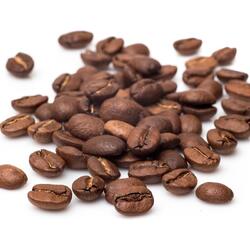


Papua New Guinea Baroida Estate Highlands Microlot – Roasted Coffee

Young and full of spirit. The Baroda Estate plantation is taking center stage because their coffee is more than interesting – if you like milk chocolate, strawberries, and oranges, you'll love it! All the more so because this is a microlot, meaning a coffee with a clearly defined origin, nurtured and available only in small quantities. Arabica from the high mountains of Papua New Guinea will delight even the most delicate palates.
Shipping methods
| Nizozemská pošta HD - zásilkovna | Delivered by 22. 10. | 1,00 € |
|---|---|---|
 DHL DHL |
Delivered by 22. 10. | 4,90 € |


Ingredients
100 % ArabicaTaste & Crema
The Papua New Guinea Baroida Estate Highlands coffee is celebrated for its sweet, fruity profile and high quality. With its rich flavor of milk chocolate complemented by fresh notes of strawberries and oranges, it is a coffee that delights the senses. The arabica variety produces a smooth, light crema, adding to the overall taste experience.
Origins

The story behind this coffee begins in the 1960s with a visionary farmer who decided to establish the Baroida "estate" in the eastern highlands of Papua New Guinea. With the government's support, which was eager to attract foreign farmers to the country, he planted a plantation in the village of Aiyura. This plantation, later known as Baroida Estate, was named after a large boulder in the local river. The people of Aiyura associate this stone with Ben Colbran, the estate's founder. The connection is symbolic – just as the stone stands resolute against the rushing waters, Mr. Colbran weathered difficult times, building coffee plantations and providing work to many. His legacy is still honored by the Colbran family. Nestled in the Jabara Mountains in the eastern highlands, the Baroida plantations are situated at elevations of 2,400m. Green coffee plants flourish across 220 hectares, divided into nearly 30 distinct lots. Each lot contains a different variety to maintain purity of the leaves. The attention to detail and meticulous record-keeping contribute greatly to the farm's success.
The coffee harvest occurs between May and June, with workers selecting only fully ripe cherries. These berries then undergo a washing process. Machines remove the tough skin and break down the soft pulp surrounding the beans. The coffee is then left to ferment in water for 36 hours, allowing natural chemical processes to dissolve the pulp. Workers carefully remove the resulting dissolved flesh through specialized shaking and circular movements with the vats. Following this, the green coffee beans are carefully dried, either in the sun or in an oven. After drying, the coffee is stored in jute bags until November or December, allowing it to ripen at a stable temperature and humidity. Only then does it head to the market and into the cups of coffee lovers worldwide.
Despite challenges such as outdated infrastructure, declining government support, and complex communication between indigenous communities with different cultural traditions, Papua New Guinea's coffee industry has persevered. Some farmers have produced coffee of astonishing quality, inspiring others through their perseverance and diligence. In recent years, the Coffee Industry Corporation Limited has provided support, focusing on attracting foreign investors and ensuring quality control. This balanced approach is helping to elevate Papua New Guinea's status as a coffee-producing nation.


Benefits of coffee


Coffee packaging preview
Our quality aluminum packaging lacks any bold graphics, as we’d rather focus on the taste of our coffee. It always comes fresh thanks to degassing valve, which releases the gases that occur after roasting. Thanks to the hermetic seal, this container helps the contents further keep their freshness and protect them against humidity, light or foreign odors.
Instructions for preparation
Grind your coffee according to your preferred method.
Use 14ml of water per 1g of coffee. For 1 cup of coffee use 7g.
Add your coffee and cover with boiled water (95°C).


Are you looking for inspiration? Other customers have bought this:
Brazil Santos NY2 SSFC 17/18 – Roasted Coffee
Brazil South of Minas – Roasted Coffee