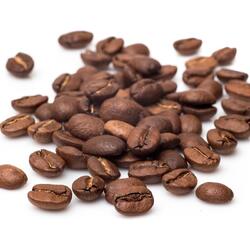


Papua New Guinea (PNG) Sigri Estate – Light Roast Coffee

If we roast Papua New Guinea coffee a degree lighter, it tells a very different story. Suddenly, it's much livelier, playful, and more open. Brew it on a filter, so it can captivate you with its clarity, fresh character, and natural complexity. Each cup will remind you that coffee is more than just strong or invigorating. If you'd like, it can gradually unfold new flavors and keep pleasantly surprising you.
Shipping methods
| Nizozemská pošta HD - zásilkovna | Delivered by 2. 10. | 1,00 € |
|---|---|---|
 DHL DHL |
Delivered by 2. 10. | 4,90 € |


Ingredients
100 % ArabicaTaste & Crema
Lighter roasting makes way for all the most interesting bits you can find in this coffee. The taste is clear, juicy, and builds on a higher yet pleasantly balanced acidity. In the fore, you'll notice notes of fruit – from citrus to slightly exotic nuances accompanied by mild spices. The body can be described as lighter, clear, and elegant, with a lasting aftertaste that will keep you pleasant company a while after you finish. Papua New Guinea (PNG) Sigri Estate is the ideal choice for anyone looking to delve into individual layers of flavor.
Origins

Arabica coffee plants (Coffea arabica) are a relatively new article for Papua New Guinea. They were first planted only around 1950. Plantation owners – mostly small family farmers – grow both arabica and robusta varieties. They typically establish their fields deep in the forest, in clearings that are inaccessible to machinery. For this reason, local coffee can be considered an organic product – no industrial fertilizers or pesticides are able to reach the coffee trees and are too expensive for the local growers.
The harvest is 100% manual. To ensure only the high-quality coffee fruit is processed, the local government has implemented coffee quality standards. The lowest-quality beans have thus completely disappeared from the market, and coffee from Papua New Guinea is rapidly climbing the popularity charts to join the ranks of the world’s top coffees.
The harvested coffee cherries are processed using a method known as washing. The whole fruits are poured into tanks of water (low-quality berries are skimmed off the surface, while the rest sink to the bottom). By passing them through special screens, the pulp and parts of the husk are removed. This is followed by fermentation and drying. Finally, the coffee beans are inspected, sorted, and packed into jute bags.
Benefits of coffee


Coffee packaging preview
Our quality aluminum packaging lacks any bold graphics, as we’d rather focus on the taste of our coffee. It always comes fresh thanks to degassing valve, which releases the gases that occur after roasting. Thanks to the hermetic seal, this container helps the contents further keep their freshness and protect them against humidity, light or foreign odors.
Instructions for preparation
- Grind the coffee according to your preferred method.
- Use 14ml of water per 1g of coffee. For 1 cup of coffee use 7g.
- Add your coffee and cover with boiled water (95°C).


Are you looking for inspiration? Other customers have bought this:
Brazil Santos NY2 SSFC 17/18 – Roasted Coffee
Brazil South of Minas – Roasted Coffee