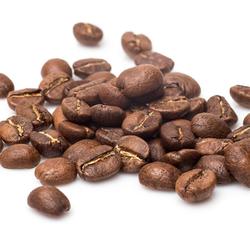


Peru El Eden Anaerobic Natural – Roasted Coffee

Peruvian coffee stands apart for its balanced acidity and prominent fruity flavor with delicate notes of chocolate and nuts. Peru El Eden Anaerobic Natural enhances the signature Peruvian profile with floral and caramel accents. Its distinctiveness stems not only from the wonderful region it originates from but also from its production method. The contemporary technique of anaerobic fermentation truly extracts the utmost potential from the coffee.
Shipping methods
| Nizozemská pošta HD - zásilkovna | Delivered by 10. 7. | 1,00 € |
|---|---|---|
 DHL DHL |
Delivered by 10. 7. | 4,90 € |


Ingredients
100 % ArabicaTaste & Crema
El Eden Anaerobic Natural has a medium acidity, with a medium round body and flavors of stone fruit, apples, and caramel. The aroma is pleasantly floral.
Peruvian arabica is suitable for preparation in a French press, a drip machine, and an automatic coffee machine. You also can't go grow with cold brew; you'll get a coffee with distinctive fruity and floral notes.
Origins
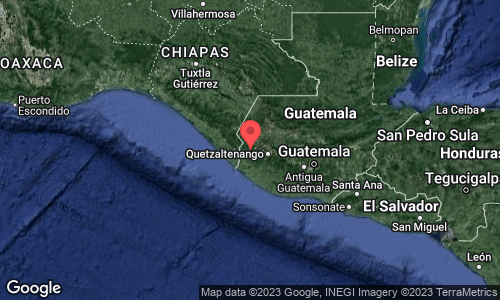
The method of production is crucial to the taste of Peru El Eden Anaerobic Natural coffee. So let's start by explaining the method of processing by anaerobic fermentation. This relatively new technology came to prominence around 2010 and is becoming increasingly popular among coffee producers in Colombia, Costa Rica, Guatemala, Honduras, El Salvador, Brazil, and Ethiopia. Each farmer adapts the process according to the result they want to achieve. More and more varieties of coffee, combinations, length of fermentation, and other parameters are tested. The process itself involves hermetically sealing the cleaned coffee beans in stainless-steel tanks.
The natural fermentation process starts very quickly because the coffee beans are always encased in a sweet, mucilaginous pulp. During this process, the oxygen content in the tank decreases, and the carbon dioxide content increases, which also changes the pressure conditions inside the tank. At the same time, the temperature of the material rises, the sugar ratio changes as well as the pH level. The farmers must carefully monitor all these parameters to catch the moment when fermentation turns the pulp into alcohol. This must not happen, as the whole batch of coffee would be spoiled.
Anaerobic fermentation lasts for about 18-23 hours, after which farmers dump them out of the containers onto mats or concrete slabs and leave them to dry in direct sunlight. This not only stops fermentation; it also stabilizes the coffee's flavur and aroma. The aim of the process is to produce coffee with new, attractive flavors. This is because anaerobic fermentation can "transfer" all the flavor nuances contained in the whole coffee berry into the bean. The bean is then extremely rich and harmonious.
Just like the relatively new method described above, a group of farmers calling themselves "El Eden" are also relative newcomers. They farm a border of a valley in Jaen province. The rainy and warm highlands provide the conditions for establishing coffee plantations at around 1,600m. The coffee bushes are usually grown organically, without the use of pesticides or herbicides, and the fruit is usually hand-picked by workers. Due to its high quality and specific taste, coffee from the Jaen region is among the most sought-after by coffee connoisseurs and lovers around the world.


Benefits of coffee


Coffee packaging preview
Our quality aluminum packaging lacks any bold graphics, as we’d rather focus on the taste of our coffee. It always comes fresh thanks to degassing valve, which releases the gases that occur after roasting. Thanks to the hermetic seal, this container helps the contents further keep their freshness and protect them against humidity, light or foreign odors.
Instructions for preparation
Grind your coffee according to your preferred method.
Use 14ml of water per 1g of coffee. For 1 cup of coffee use 7g.
Add your coffee and cover with boiled water (95°C).


Are you looking for inspiration? Other customers have bought this:
Brazil Yellow B. Fazenda Da Lagoa – Roasted Coffee
Brazil Minas Swiss Water Decaf – Roasted Coffee