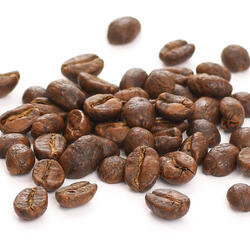


Peru Grade1 Swiss Water Decaf – Organic Roasted Coffee

Maybe you're one of those people who really, really love coffee but need to cut back on the caffeine. If that's the case, we have this amazing decaffeinated arabica straight from a famous Peruvian coffee region. The trademarked Swiss method may've taken away the caffeine, but it left all of the delicious flavor and aroma of chocolate, nuts, and red fruits.
Shipping methods
| Nizozemská pošta HD - zásilkovna | Delivered by 22. 10. | 1,00 € |
|---|---|---|
 DHL DHL |
Delivered by 22. 10. | 4,90 € |


Ingredients
100 % Arabica BIOTaste & Crema
Peru Grade1 Swiss Water Decaf is one of the most delicate coffees in the world. Lovers of smooth textures will be delighted by the silky taste of chocolate and nuts, complemented by the freshness of red berry fruit at the end. Its nuances come out perfectly when brewed on the filter, but it is also wonderful from a mocha pot. The crema is smooth and compact.
Origins

Cajamarca, which lies in the north of Peru, is a mountainous region cut by the Mashcón River and settled in 1460 when it became part of the Inca Empire. Near the regional capital are the healing thermal springs of Los Baños del Inca, the archaeological complex of Cumbemayo, and the Yanacocha gold mine. So when you visit Cajamarca, you will know which tourist destinations not to miss. In addition to being famous for its large amount of pastureland and fields of potatoes, corn, and grain, the region is one of Peru's major coffee producers and one of the largest. Just like anywhere else in the country, the local coffee industry depends on small-scale farmers, who typically cultivate plantations of 2-3 hectares. Popular coffee varieties include Caturra, a natural mutation of Bourbon.
Caturra was first identified in the early 20th century in the Minas Gerais region of Brazil. It is characterized by its dwarfism, meaning short stature, which is why it is known as Nanico. It became commercially widespread and popular, particularly in the 1940s, and is now one of the economically crucial varieties in Central America.
The optimum growing conditions for Caturra are at higher altitudes, where it produces good yields. On the other hand, it also has a high susceptibility to diseases and a relatively high soil fertility requirement. All the necessary conditions are met in the Cajamarca region of Peru, which is why many farms are cultivating this variety. However, the quality of the resulting beans depends on many factors, not just altitude, soil conditions, and the care given to the coffee plants. In Cajamarca, the weather during the harvest plays an important role. It is not uncommon for frequent storms to occur when the coffee plants are at their ripest. Prolonged rain causes the cherries to soak up too much water and either burst or fall off the bushes onto the ground, dramatically reducing the quality or even devaluing the entire harvest. Fortunately, this has not happened in the case of Peru Grade 1 Swiss Water Decaf, so we can now enjoy a coffee that tastes great and is also caffeine-free.
The decaffeination process removes a stimulant from green coffee beans that can sometimes be a barrier to coffee consumption. For example, decaffeinated coffee is an excellent and safe choice for pregnant or nursing women, people with high blood pressure, or coffee fanatics. There are many ways to remove caffeine from coffee. We prefer the Swiss Water process, which does not work with chemical solvents and is based on the solubility of caffeine in water. The green coffee beans are soaked in hot water during the process. However, it is not only the caffeine soluble in this water but also the sugars and other chemicals that we love coffee for. That is why the coffee water passes through a charcoal filter that can only capture the large caffeine molecules while leaving the sugars, oils, and other compounds responsible for the precious aroma in the beans. Peru Grade 1 Swiss Water Decaf is a full-bodied coffee in terms of taste and aroma, just without caffeine.
Benefits of coffee


Coffee packaging preview
Our quality aluminum packaging lacks any bold graphics, as we’d rather focus on the taste of our coffee. It always comes fresh thanks to degassing valve, which releases the gases that occur after roasting. Thanks to the hermetic seal, this container helps the contents further keep their freshness and protect them against humidity, light or foreign odors.
Instructions for preparation
Grind your coffee according to your preferred method.
Use 14ml of water per 1g of coffee. For 1 cup of coffee use 7g.
Add your coffee and cover with boiled water (95°C).


Are you looking for inspiration? Other customers have bought this:
Brazil Minas Swiss Water Decaf – Roasted Coffee
Honduras SHG Swiss Water Decaf – Organic Roasted Coffee