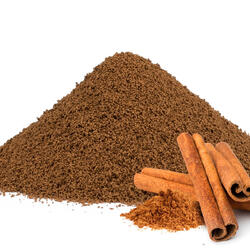


Spelt-Chicory Coffee with Ashwagandha & Gingko

This chicory coffee combines the traditional taste of roasted chicory with the nutritional value of spelt and adaptogenic abilities of ashwagandha. With the addition of Ginkgo biloba, known for its ability to boost cognitive function, it is a perfect alternative to your usual decafs. It's ideal for those looking for a deeper flavor while reaping the benefits of all-natural ingredients.
Shipping methods
| Nizozemská pošta HD - zásilkovna | Delivered by 22. 10. | 1,00 € |
|---|---|---|
 DHL DHL |
Delivered by 22. 10. | 4,90 € |


Ingredients
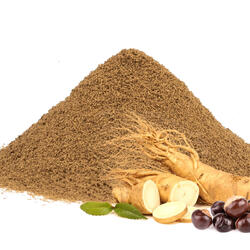
47 % Chicory root, 47 % Spelt, 3 % Ashwagandha, 3 % Ginkgo biloba leavesBrew & Taste
Spelt-Chicory Coffee with Ashwagandha & Ginkgo has a rich, full-bodied flavor with a hint of cereal and subtle nutty notes. Ashwagandha adds a bitter accent, while ginkgo brings a light herbal note.
Origins
Spelt-Chicory Coffee with Ashwagandha & Gingko was created by combining traditional coffee substitutes and beneficial herbs.
Chicory (Cichorium intybus) is a perennial herb belonging to the Astraceae family. It grows to a height of 1m and has a stiff stem and blue flowers. The plant is easy to grow and is found around roads, fields, meadows and forests almost globally. The chicory root is roasted to make a coffee substitute known as chicory coffee. The root contains inulin, which is especially appreciated by diabetics, as it slows digestion and helps control blood sugar levels. Historically, chicory has been used during economic and coffee crises, especially during the world wars when common raw materials for coffee production were unavailable.
Spelt is a type of wheat that has been cultivated in Europe since 8,000 years ago. Today, it is considered a healthier alternative to common wheat, since it contains more minerals and protein. They're usually eaten with the protective layer of bran.
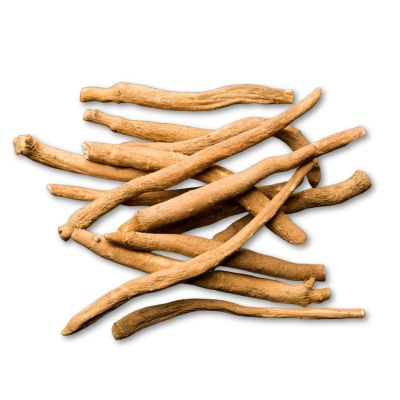
Ashwagandha (Withania somnifera), known as Indian ginseng, is a vital part of Ayurveda, which values it for its ability to promote mental health and relaxation. The popular herb, whose root has been used by humans for over 3,000 years, grows predominantly in tropical and subtropical regions. It's characterized by stiff, ovate leaves and yellow-green flowers, the fruits are orange berries with brown seeds inside. However, the most valuable part of the plant is the root, which is ground into a powder when dried. It has a distinct bitter taste, and its smell can be reminiscent of horse hair. Ashwagandha is usually harvested 180 days after planting, and up to 400kg of dried root can be obtained from 1 hectare field.
Pregnant and nursing women as well as people with autoimmune diseases should consult their physician before use of ashwagandha.
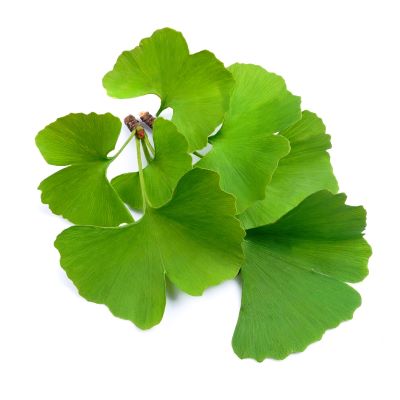
Ginkgo biloba is a sturdy tree with a conical to angular crown growing 30-40m. Ginkgo leaves are petiolate, grow in bunches on shortened twigs, and have a flat, wedge-shaped blade divided by a notch into two lobes with fan-shaped veins. They are valued for their content of bioactive elements.
Benefits of coffee

Coffee packaging preview
Our quality aluminum packaging lacks any bold graphics, as we’d rather focus on the taste of our coffee. It always comes fresh thanks to degassing valve, which releases the gases that occur after roasting. Thanks to the hermetic seal, this container helps the contents further keep their freshness and protect them against humidity, light or foreign odors.
Instructions for preparation
Pour 100ml of water (90-100°C) per 2g of coffee.


| Energy value: | 28 kJ / 6,5 kcal |
| Fats: | 0 g |
| of which saturated: | 0 g |
| Carbohydrates: | 1,4 g |
| of which sugars: | 0,2 g |
| Fibre: | 0,4 g |
| Proteins: | 0,1 g |
| Salt: | < 0,01 g |
Are you looking for inspiration? Other customers have bought this:
Chicory Coffee with Reishi & Shatavari
Spelt Coffee with Guarana & Ginseng