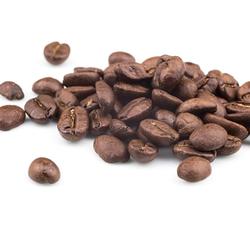


Vietnam Lam Dong Arabica G1 – Roasted Coffee

When you want to keep things chic, brew this chocolate-nutty arabica on a filter and add a splash of condensed milk. That's how people would enjoy it in Vietnam. Harvested from the southern Lam Dong region, it has a well-balanced, smooth acidity and an overall rich body. Arabica has only been grown by local farmers for a relatively short time, but we must say that they have a special talent for it. Try it, you'll see for yourself.
Shipping methods
| Nizozemská pošta HD - zásilkovna | Delivered by 22. 10. | 1,00 € |
|---|---|---|
 DHL DHL |
Delivered by 22. 10. | 4,90 € |


Ingredients
100 % ArabicaTaste & Crema
Vietnam Lam Dong Arabica G1 is one of the most flavorful, rich, and distinctive coffees. It is sure to please with its mild acidity complemented by a pleasant sweetness and enriched with notes of chocolate and nuts. The crema is bright, compact, and light.
Origins

Coffee trees first appeared in Vietnam around 1857 when French missionaries brought them. However, it was not until 1888 that actual coffee plantations were established, focusing mainly on the arabica variety. In the early 20th century, there was a shift from small plantations to commercial coffee cultivation, and in the 1970s, instant coffee production began to develop.
Coffee production was disrupted in one of the major coffee-growing regions by the Vietnam War, followed by the collectivization of agriculture and restrictions on private enterprise, which led to a lower coffee production. After reforms in 1986, private businesses were allowed again and the coffee industry was able to re-appear. Nowadays, Vietnamese farmers grow mostly robusta, and the country ranks 2nd in the world in terms of production volume, just behind Brazil. In recent years, it has turned its attention to sustainable coffee farming, and the government has even created a rural development plan to help plantation owners replace ageing bushes with young ones, promote Fair Trade certification, and so on.
The Lam Dong region, from which this arabica originates, can be found in the country's south. Most of it is covered by lowlands. The most attractive tourist attractions are the local Datanla or Pongour waterfalls, and you can also visit the Crocodile Lake or the Lake of Sighs. However, the area is not lacking in hills, and it is here that, in addition to the beautiful forests, coffee plantations can also be seen.
Coffee is harvested in Vietnam from October to April and is estimated to be the livelihood of nearly 3 million people. Most of the crop is processed by washing, which, especially for speciality coffees, allows the unique flavor and aroma to be brought out. Freshly picked coffee cherries are put through a crusher to remove the outer skin. To remove the pulp enveloping the seeds, the coffee is left in water for several hours to ferment. The coffee needs to be ''washed'' – ran through a stream of water several times and then dried. Workers sort the coffee before packing it into jute sacks.
Interestingly, although the Vietnamese traditionally drink tea, they found their way to coffee. One way they prepare it is Ca Phe Trung – they add egg yolk and condensed milk to filter coffee and pour it all over ice cubes. The result reportedly tastes similar to tiramisu with eggnog. We recommend trying it out.


Benefits of coffee


Coffee packaging preview
Our quality aluminum packaging lacks any bold graphics, as we’d rather focus on the taste of our coffee. It always comes fresh thanks to degassing valve, which releases the gases that occur after roasting. Thanks to the hermetic seal, this container helps the contents further keep their freshness and protect them against humidity, light or foreign odors.
Instructions for preparation
Grind your coffee according to your preferred method.
Use 14ml of water per 1g of coffee. For 1 cup of coffee use 7g.
Add your coffee and cover with boiled water (95°C).


Are you looking for inspiration? Other customers have bought this:
Brazil Santos NY2 SSFC 17/18 – Roasted Coffee
Guatemala Antiqua San Juan SCR90 – Roasted Coffee