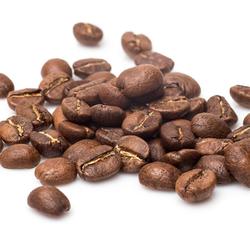


Yemen Asrar Haraz Microlot – Light Roast Coffee

Yemeni coffee has an extraordinary reputation. And that's twice as true for light roasts. Light-roasted Yemen Asrar Haraz Microlot opens its flavor profile much more intensely and sprightly than its darker counterpart. It has notes of tropical fruit, cocoa, even a slight floral sweetness and signature juicy acidity. This one comes from the mountainous Haraz area, where small farmers have been growing coffee plants using traditional methods for centuries. The result is an authentic arabica with a wild vibe and intense aroma. Don't hesitate.
Shipping methods
| Nizozemská pošta HD - zásilkovna | Delivered by 5. 10. | 1,00 € |
|---|---|---|
 DHL DHL |
Delivered by 5. 10. | 4,90 € |


Ingredients
100 % ArabicaTaste & Crema
Yemen Asrar Haraz Microlot shows its most complex form on filter. Lighter roasting makes way for the fruity juiciness and profound sweetness to shine, so you'll easily pinpoint the notes of papaya, pineapple, or mild cocoa. There are also lingering floral nuances as well as a subtle trace of grains, giving the experience a captivating depth. The acidity is on the higher side, pure, and elegant – typical for selected light roast coffees. The aroma feels sweet, fruity, and very lively. Meanwhile the aftertaste is lasting and harmonious.
Origins
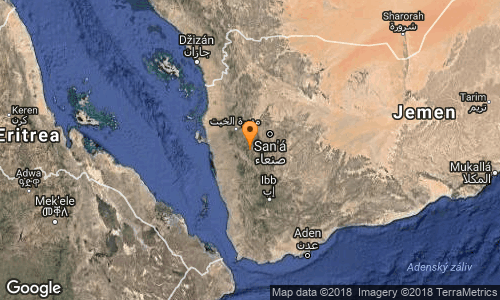
First and foremost, it should be noted that Yemen Asrar Haraz is a microlot from the Jabal Haraz mountains in Yemen. It is precisely the climate and soil conditions there that shape the flavor of this rare coffee. The region of western Yemen is, and has always been, of strategic importance to the local inhabitants. The mountains, dotted with fortified villages, managed to provide war-torn farmers with at least some safety and space to grow millet, lentils, and coffee. The impressive architecture of some of the fortresses takes the breath away from tourists from all over the world.
Yemen, however, is not just a country of beautiful natural scenery. It is also a region of unrest, uprisings, revolutions, and tribal wars. This extremely poor, famine-stricken land faces a protracted political crisis.
But let’s get back to coffee. It was first discovered and cultivated in what is now Ethiopia, but it was the Yemeni port city of Mocha (Moka) that gave the fragrant beans their name. To this day, there is debate over where coffee actually originated. Some sources claim that coffee plants were discovered in Ethiopia, but the beans were processed in Yemen. It was precisely that port from which coffee was shipped out into the world. Yemen guarded its rare and sought-after commodity very closely, and it took Dutch traders quite a long time before they managed to plant coffee trees outside of Yemen, namely on Java. The combination of the names Mocha and Java later gave rise to one of the oldest and most famous coffee blends of all time – Mocha Java.
As we mentioned earlier, coffee in the Yemeni mountains is grown by small-scale farmers. The inaccessible terrain and social conditions prevent them from using industrial fertilizers and pesticides. However, it seems that the quality of the local coffee is also due to a love and respect for the pristine natural environment. The perfectly ripe coffee cherries are harvested and processed exclusively by hand. There's even a saying among the farmers: ""You have to care for coffee the way you care for a child."" The ripe cherries are dried in the sun, spread out on large terraces. Once dried, the husks are removed using two millstones. This so-called dry processing method is reflected in the unique flavor of every cup.
Yemen only exports mere 12 tons of coffee annually.
Benefits of coffee


Coffee packaging preview
Our quality aluminum packaging lacks any bold graphics, as we’d rather focus on the taste of our coffee. It always comes fresh thanks to degassing valve, which releases the gases that occur after roasting. Thanks to the hermetic seal, this container helps the contents further keep their freshness and protect them against humidity, light or foreign odors.
Instructions for preparation
- Grind the coffee according to your preferred method.
- Use 14ml of water per 1g of coffee. For 1 cup of coffee use 7g.
- Add your coffee and cover with boiled water (95°C).


Are you looking for inspiration? Other customers have bought this:
Brazil South of Minas – Roasted Coffee