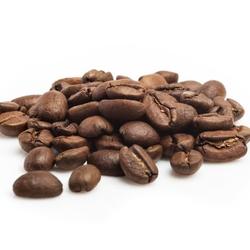


Ethiopia Aricha Natural Grade 1 – Organic Light Roast Coffee

Light roasted varieties of single-origin coffees will introduce you to the world of lively, juicy, and layered flavors. Brew it on a dripper to let the natural character of the coffee shine and unveil its clear, intense, and comprehensive taste full of fruit and mild sweetness. Organic Arabica Ethiopia Aricha Natural Grade 1 will offer you a mix of blueberries, bergamot, caramel, and florals. Who could resist?
Shipping methods
| Nizozemská pošta HD - zásilkovna | Delivered by 25. 9. | 1,00 € |
|---|---|---|
 DHL DHL |
Delivered by 25. 9. | 4,90 € |


Ingredients
100 % ArabicaTaste & Crema
When brewed in a V60, Organic Ethiopia Aricha Natural Grade 1 is intensely fruity and aromatic, with a higher yet very pleasant acidity level. The taste is dominated by notes of blueberries and bergamot combined with the juicy notes of ripe fruit – as if you'd just taken a bite from a handful of mixed berries in the summer heat. The lighter roast brings forward subtle floral nuances and introduces elegance to the taste while making it lighter. The note of caramel remains in the background, more akin to a sweet aftertaste that rounds out the impression and makes it last longer. The body is lighter, clear, and smooth – just as you'd expect from a coffee intended for a V60.
Origins

Anyone with even a passing interest in coffee has certainly come across the Yirgacheffe region. In southern Ethiopia, at the foot of the Gorazde Mountains, is one of the most important coffee growing areas in the world. There, coffee trees grow high in the hills, allowing their red fruit to ripen slowly and accumulate the best flavors that coffee offers. Some sources estimate that coffee was discovered in Ethiopia around 850 AD, so you could say it was born there. Incidentally, the locals consider the preparation of coffee to be a ritual that can take up to 2 hours and is only for the very close friends of the host.
It is also worth mentioning that Ethiopia has had a truly turbulent history, and its political and economic climate has obviously had an impact on the cultivation of coffee trees. The country experienced one of the big downturns in 2003, when the farm-gate price of coffee did not even cover the cost of growing and processing it. Many farmers then had to abandon their plantations and seek a living in the big cities. Despite this, Ethiopia's farms have been preserved, and coffee has remained the country's most important export commodity.
Ethiopia Aricha Natural Grade1 arabica is named after the Aricha processing station, which local farmers founded. The 2nd generation of coffee farmers decided to build the plant, which today serves around 1,500 farmers. The station's employees also supervise the harvest and carefully check the quality of the coffee fruit.
The coffee berries are processed using the natural method, which means that they are spread out on so-called African beds (Aricha has 220 of them) and dried slowly for up to 3 weeks in direct sunlight. This is a long and demanding process because the berries must not get wet or damp, they must be turned frequently, and finally, the coffee beans must be stripped of their dried skins and pulp. Coffee produced in this way has naturally fruity notes and a complex sweetness.
Benefits of coffee


Coffee packaging preview
Our quality aluminum packaging lacks any bold graphics, as we’d rather focus on the taste of our coffee. It always comes fresh thanks to degassing valve, which releases the gases that occur after roasting. Thanks to the hermetic seal, this container helps the contents further keep their freshness and protect them against humidity, light or foreign odors.
Instructions for preparation
- Grind your coffee according to your preferred method.
- Use 14ml of water per 1g of coffee. For 1 cup of coffee use 7g.
- Add your coffee and cover with boiled water (95°C).


Are you looking for inspiration? Other customers have bought this:
Ethiopia Sidamo Durato Bombe Microlot – Light Roast Coffee
Mexico Chiapas Organic & Fair Trade – Roasted Coffee