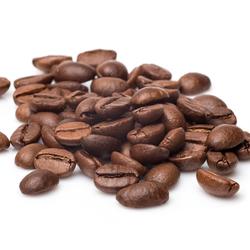


Bolivia AA – Roasted Coffee

A country in the heart of South America has all the ingredients to make its mark as a top coffee producer. The political instability could have been an issue for local farmers, but they are trying to join cooperatives, share knowledge, and build solidarity. Bolivian coffee is a symbol of determination and new beginnings. Besides, it tastes luxurious. Full-bodied with notes of chocolate, oranges, and pine, it will enchant seasoned connoisseurs and casual tasters alike.
Shipping methods
| Nizozemská pošta HD - zásilkovna | Delivered by 10. 7. | 1,00 € |
|---|---|---|
 DHL DHL |
Delivered by 10. 7. | 4,90 € |


Ingredients
100 % ArabicaTaste & Crema
AA Bolivia is ranked among the highest-quality coffees. Those who have tasted it describe a full-bodied, smooth, and balanced taste accompanied by traces of dark chocolate, orange peel, and fresh pine needles. The acidity is lively but mild. On the palate, it leaves a pleasant syrup sensation. In Bolivia AA, there is a light, not-too-high crema because it is 100% arabica, medium strength.
Origins

Bolivia is just establishing itself as a country of high-quality coffee in the market. But poverty-stricken farmers are well placed. The perfect climatic conditions of the coffee plantations, the association with larger companies, and economic development and fair trade projects are all playing into their hands. The coffee plants are grown by local farmers, mainly in the rural areas of Yungas, Santa Cruz, Beni Cochabamba, Tarija, and Pando. They usually have between 1-8 hectares of land, mostly planting the arabica variety. Currently, we can speak of 28 private companies that cover more than 70% of Bolivia's coffee exports. 17 coffee cooperatives supply the remainder. Most of Bolivia's coffee goes to the USA, Germany, the Russian Federation, and Japan.
The final quality of coffee is, of course, greatly influenced by its harvesting and processing. It should be noted that Bolivia does not use artificial products to promote growth or increase the resistance of coffee trees to pests. For this reason, the coffee there can be described as organically grown. Once the red coffee cherries are hand-picked (between July and November), they go into large water-filled tanks.
Farmers push them through special crushing plates that strip them of their pulp and release the coffee beans. These are left to ferment and then dried in direct sunlight. Available sources say Bolivia ranked 33rd among coffee exporters in 2014-2015. Its production covered less than 1% of the world market, and more than 23,000 families depended on coffee farming.


Benefits of coffee


Coffee packaging preview
Our quality aluminum packaging lacks any bold graphics, as we’d rather focus on the taste of our coffee. It always comes fresh thanks to degassing valve, which releases the gases that occur after roasting. Thanks to the hermetic seal, this container helps the contents further keep their freshness and protect them against humidity, light or foreign odors.
Instructions for preparation
Grind your coffee according to your preferred method.
Use 14ml of water per 1g of coffee. For 1 cup of coffee use 7g.
Add your coffee and pour over with boiled water (95°C).


Are you looking for inspiration? Other customers have bought this:
Kenya AA Superstar – Roasted Coffee
India Plantation AA – Roasted Coffee