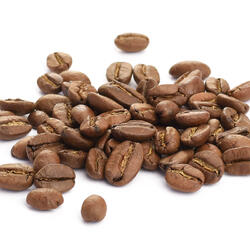


Brazil Cerrado Natural Carmo do Paranaiba Paraiso – Roasted Coffee

Have you ever heard the phrase “going to flavortown”? Well, this coffee went at least five times. Its taste profile is so rich you won’t be able to stop thinking about it. It’s filled to the brim chocolate and cocoa, but also caramel, hazelnuts and red fruits. Santa Cecilia really knows how to grow a true gem among coffees. The coffee is processed naturally to keep the original depth and richness of flavor.
Shipping methods
| Nizozemská pošta HD - zásilkovna | Delivered by 22. 10. | 1,00 € |
|---|---|---|
 DHL DHL |
Delivered by 22. 10. | 4,90 € |


Ingredients
100 % ArabicaTaste & Crema
This arabica has a distinct cocoa flavor while keeping its subtle sweetness with chocolate and caramel. You can even identify some nutty notes along with refreshing hints of delicious red fruits. We recommend preparing this coffee using filter or a moka pot. It’s also a great choice for cold brews.
Origins

You may not have known that the Cerrado region of Brazil, and more specifically the Carmo do Paranaíba area, is one of the most important and renowned coffee growing areas. However, you will know that coffee from high altitude and tropical climates tends to be absolutely delicious. Cerrado Carmo do Paranaiba Paraiso Arabica Brazil is just such a coffee. Get to know it in some more detail:
Carmo do Paranaiba is alternates between droughts and rainy seasons, which allows farmers to plan their harvesting and processing with the perfect conditions in mind. Santa Cecília boasts a complete infrastructure that allows for efficient harvesting and export. The typical method of processing coffee in this area is the natural, dry process. It uses the drying of the coffee cherries in their entirety, giving the beans a richer flavor profile.
The whole process, of course, begins with the harvest, when workers bring in fully ripe coffee cherries from the plantations. They often pluck them by hand to ensure top quality. They then spread them out on raised beds or concrete surfaces where they are exposed to direct sunlight. They turn the cherries regularly during the drying process to prevent mold and ensure they dry evenly. This process can take several weeks, during which the beans absorb the sweetness and aroma of the fruit’s pulp.
One of the unique aspects of the natural method is the natural fermentation that takes place while the pulp remains in contact with the bean. This fermentation adds distinct notes of sweetness, fruit and full body to the coffee. In coffees from the Cerrado region, this process often results in notes of red fruit, brown sugar and chocolate.
After reaching the optimum moisture content (around 11-12%), the cherries still need to be stripped of their dried skin and pulp. On farms such as Santa Cecília, this step is carried out using modern mechanical equipment that guarantees high efficiency and precision. They then carefully sort the beans according to size, density and color to remove any defective beans and ensure that the final coffee is high-quality. After processing and sorting, the coffee is stored in strictly controlled conditions. The Santa Cecília farm has on-site warehouses, which help minimize the delay between processing and dispatch. The coffee can be loaded into containers on the farm ready for export.
Finally, the owners of Santa Cecília Farm pay considerable attention to the sustainability of their business, setting aside 30% of the farm's revenue for forest sanctuaries and water reservoirs. They’re also involved in the SEMEAR project and have planted more than 127,000 trees since 2012.
Benefits of coffee


Coffee packaging preview
Our quality aluminum packaging lacks any bold graphics, as we’d rather focus on the taste of our coffee. It always comes fresh thanks to degassing valve, which releases the gases that occur after roasting. Thanks to the hermetic seal, this container helps the contents further keep their freshness and protect them against humidity, light or foreign odors.
Instructions for preparation
Grind your coffee according to your preferred method.
Use 14ml of water per 1g of coffee. For 1 cup of coffee use 7g.
Add your coffee and cover with boiled water (95°C).


Are you looking for inspiration? Other customers have bought this:
Guatemala Antiqua San Juan SCR90 – Roasted Coffee
Peru Andes Gold – Roasted Coffee