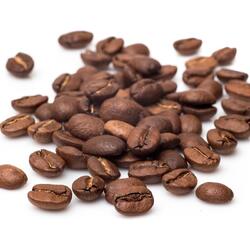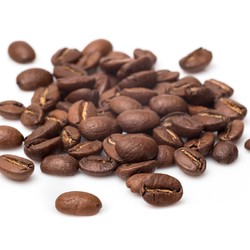


Brazil Dolce Diamantina – Roasted Coffee

Apart from wildlife, the region where this delicious coffee was born also boasts diamonds. Indeed, some areas in the Brazilian Cerrado are known for their rare minerals, much like the local coffee beans that rank among the world's most popular. The impeccable Dolce Diamantina will also captivate your taste buds and charm you with its unique sweetness, robust body as well as a subtle nutty aftertaste.
Shipping methods
| Nizozemská pošta HD - zásilkovna | Delivered by 5. 10. | 1,00 € |
|---|---|---|
 DHL DHL |
Delivered by 5. 10. | 4,90 € |


Ingredients
100 % ArabicaTaste & Crema
Brazil Dolce Diamantina coffee has not gained its popularity by blind chance. Imagine a coffee that's sweet, with a delicious, rich body, pleasantly low acidity and a long aftertaste that leaves your palate feeling like you've just bitten into a nutty caramel cake. That's exactly what Dolce Diamantina is. One sip just isn't enough.
Origins

Brazil, that's football, diamonds, and coffee. There's something for almost anyone. We, of course, are most interested in the last one. Brazilian coffee is a term. Not only because it has a history of more than 300 years and appears in many films; not only because it was apparently enjoyed by Beethoven and Balzac; but above all because it's absolutely exquisite. In the case of Dolce Diamantina, we'd give take a bullet for the wonderful taste experience.
República Federativa do Brasil, as the official name of South America's largest state is, has been producing coffee beans since the mid-18th century. Today, it supplies over 33% of the world's coffee to the market, with more than 73% of Brazil's crop destined for export.
Coffee trees grow in Brazil at altitudes between 400-1,600m. Their red fruit is harvested between May and September and are usually processed by washing (fully washed). The so-called wet method promotes the coffee's pleasant freshness and enhances its natural fruity and floral notes. What does the process look like? First, workers must walk through entire coffee plantations and hand-pick the ripest fruit. They look like cherries, each hiding two coffee beans beneath the skin, in the light-colored flesh.
The beans are poured into special tanks of water that drive them through special crushing plates, where they are stripped of their skins and some of their flesh. They then go into fermentation vessels, where they remain for several dozen hours until the remaining pulp has dissolved and the coffee beans have been completely released. The Exportadora Atlantica Doce Diamantina cooperative, from which this crop of Dolce Diamantina originates, finally dries the green coffee in direct sunlight. Employees cover the concrete terraces with it and rake it occasionally so that it does not mold and dries evenly.
It is also worth noting that Dolce Diamantina is characterized by its large beans. We roast the coffee medium to bring out its most graceful notes. It is great for lever or automatic coffee machines, as well as on a filter or in a moka pot.


Benefits of coffee


Coffee packaging preview
Our quality aluminum packaging lacks any bold graphics, as we’d rather focus on the taste of our coffee. It always comes fresh thanks to degassing valve, which releases the gases that occur after roasting. Thanks to the hermetic seal, this container helps the contents further keep their freshness and protect them against humidity, light or foreign odors.
Instructions for preparation
Grind your coffee according to your preferred method.
Use 14ml of water per 1g of coffee. For 1 cup of coffee use 7g.
Add your coffee and cover with boiled water (95°C).


Are you looking for inspiration? Other customers have bought this:
Brazil Santos NY2 SSFC 17/18 – Roasted Coffee