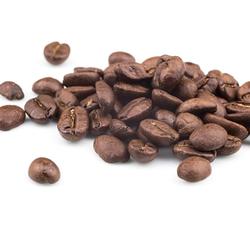


Brazil Santos NY2 17/18 Fine Cup Alfenans Dulce – Roasted Coffee

People who drink coffee usually have a wonderful imagination. Imagine a breathtaking tropical landscape full of wild animals and rare plants. You breathe in and feel the humidity, you look up and see endless green framed by blue skies, you listen and are surrounded by the rustling of grass and the singing of birds. Welcome to Cerrado, Brazil, an area protected as National heritage site.
Shipping methods
| Nizozemská pošta HD - zásilkovna | Delivered by 22. 10. | 1,00 € |
|---|---|---|
 DHL DHL |
Delivered by 22. 10. | 4,90 € |


Ingredients
100 % ArabicaTaste & Crema
You'll fall in love with the very well balanced taste of this coffee after the first sip. Because of its mild acidity, it is popular with perhaps all coffee lovers. They are captivated by the intense full body with floral notes and nut accents, as well as the sweet caramel aftertaste. It is 100% arabica, yet its crema is compact and light. Cerrado coffee is perfect for making Italian espresso.
Origins

If you've read the short introduction, you're in the clear. Brazil Santos NY 17/18 fine cup Alfenans Dulce coffee grows in one of the most beautiful places on the planet. You'll find the Cerrado region right in the heart of Brazil. It is one of the richest tropical regions according to the research of many explorers. The World Wildlife Fund has even named it the most diverse savannah in the world.
But let's leave the fauna and flora aside and look at the agriculture there. Until the 1960s, Cerrado soil was considered too acidic and nutrient-poor to provide any yield. However, the American scientist Norman Borlaug, known as the father of the Green Revolution, recommended liming to reduce the acidity of the fields. As a result, Brazil is now the world's second largest exporter of soybeans and the largest exporter of beef. In addition, the Cerrado produces corn, grain, rice and, of course, coffee.
Coffee trees grow much lower in the Cerrado than in Central America. The volcanic soils of the Cerrado savannah give the fruit its mild flavor and sweetness. The plants are grown in full sun and harvested several times a year. The ripe cherry-like fruit is processed using the so-called dry-processed method. This is the simplest, least demanding and historically the oldest process. After harvesting (a combination of manual and mechanical work), the fruits are piled on concrete terraces, spread out evenly and left to dry in the sun and warm air for up to a month. The farmers rake them regularly, then cover the terraces at night to prevent the coffee from getting wet and fermenting. When the drying process is complete, the fruit needs to be stripped of its skins and parchment wrappings. This is done in peeling machines. Finally, the coffee is sorted, rests for a month or two and then packaged and exported to the world.
Due to the dry production process, this coffee has a strong and distinctive body with a nutty flavor. This is because substances from the husk have penetrated the beans during the drying process.


Benefits of coffee


Coffee packaging preview
Our quality aluminum packaging lacks any bold graphics, as we’d rather focus on the taste of our coffee. It always comes fresh thanks to degassing valve, which releases the gases that occur after roasting. Thanks to the hermetic seal, this container helps the contents further keep their freshness and protect them against humidity, light or foreign odors.
Instructions for preparation
Grind your coffee according to your preferred method.
Use 14ml of water per 1g of coffee. For 1 cup of coffee use 7g.
Add your coffee and pour over with boiled water (95°C).


Are you looking for inspiration? Other customers have bought this:
Brazil Santos NY2 SSFC 17/18 – Roasted Coffee
Guatemala Antiqua San Juan SCR90 – Roasted Coffee