

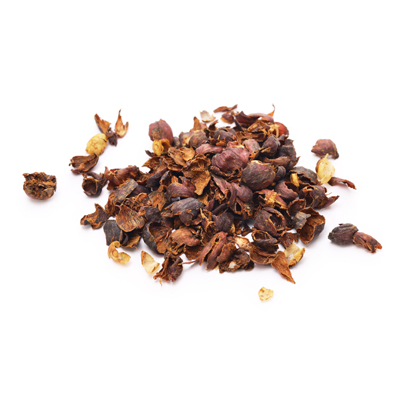
Cascara Rwanda

Exceptional cascara from the Gakenke region in Rwanda will surprise with a mild, fruity-floral flavor accompanied by a sweet aftertaste. It’s made from organically grown Bourbon coffee cherries processed via washing by the Abakundakawa collaborative. Dried pulp of the coffee fruit is perfect for making a delicious tea. Enjoy a pleasant energy boost with your daily refreshments.
Shipping methods
| Nizozemská pošta HD - zásilkovna | Delivered by 15. 10. | 1,00 € |
|---|---|---|
 DHL DHL |
Delivered by 15. 10. | 4,90 € |


Ingredients
100 % CascaraTaste
The flavor of this cascara is reminiscent of coffee blooms, honeydew melons and hibiscus. If you focus on the taste, you’ll be able to distinguish mirabelle plums and rosehips.
Origins
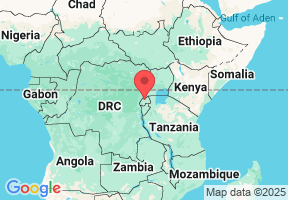
Forget coffee. This is cascara – dried pulp of the coffee cherries which will remind of a nice fruit tea rather than a strong espresso. That’s what makes it so popular!
We’ve brought it from the hilly Gakenke district in Rwanda, where coffee plants of the Bourbon variety thrive in altitudes over 1,760m. Thanks to its location, which is situated in the north of Rwanda, the hills are covered in vibrant vegetation with a unique microclimate, making it perfect for growing unique, flavorful coffee.
It’s no wonder, then, that Rwanda has a long-standing history with coffee. Its start can be attributed to Belgian colonizers, who established the first plantations in the 20th century. Coffee quickly became a symbol of freedom and economic rehabilitation. The country went through some hard times during the 90’, which made the locals appreciate quality over quantity. Rwandan farmers invested into coffee processing plants, so they could use the washing method, and focused on careful cultivation and forming collaboratives such as Abakundakawa – a name which perfectly describes their philosophy. Loosely translated, it means “those who love coffee”.
Today, Rwanda is one of the most influential coffee producers in Africa. The local coffee is fresh, mild and fruity. Of course, these properties are reflected in the cascara, too. For years, it’s been considered “waste”, but nowadays, people are learning to value it for the rich natural flavor and aroma as well as caffeine content.
This particular cascara originates from organically grown coffee cherries which were processed by washing in the Minazi plant. It was dried slowly on the so-called African beds under the Rwandan sun to retain the maximum of its aroma and taste. The result is full of fragrant coffee blooms, sweet honeydew, sour hibiscus, fruity mirabellas and a pleasant rosehip tail.
How to actually prepare cascara? You should think of it like fruit tea – pour 250ml of boiled water (90-95°C) per 10g of cascara and let steep for 5-10 minutes. Then just close your eyes and take in the aroma oof blooming garden full of ripe fruits. It tastes mild, sweet and slightly exotic. In the summer, feel free to let it cool and spice it up with a drop of lemon. The result will be a light, refreshing iced tea you’ll crave again and again.
Benefits of coffee

Coffee packaging preview
Our quality aluminum packaging lacks any bold graphics, as we’d rather focus on the taste of our coffee. It always comes fresh thanks to degassing valve, which releases the gases that occur after roasting. Thanks to the hermetic seal, this container helps the contents further keep their freshness and protect them against humidity, light or foreign odors.
Instructions for preparation
Pour 500ml of hot water per 15-20g of cascara.
Steep for 5-10 minutes.


Are you looking for inspiration? Other customers have bought this:
Brazil Yellow B. Fazenda Da Lagoa – Roasted Coffee
Mexico Altura – Roasted Coffee