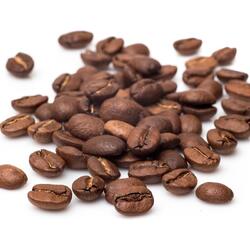


Congo Latumba AA – Roasted Coffee

Kongo is experiencing a coffee renaissance. After decades of civil conflict, small-scale farms return and send a clear message to the world: ''Count us in! Congo coffee is one of a kind!'' Baristas in the United States, where the bulk of the Congolese harvest goes, just nod their heads in agreement. Congo produces true specialties, like Latumba AA with its intense aroma and flavor of red oranges, blackberries, sugar cane, and cardamom.
Shipping methods
| Nizozemská pošta HD - zásilkovna | Delivered by 22. 10. | 1,00 € |
|---|---|---|
 DHL DHL |
Delivered by 22. 10. | 4,90 € |


Ingredients
100 % ArabicaTaste & Crema
Congo Latumba AA may surprise you. Positively, of course. Its aroma can be described as floral and the taste combines oranges, blackberries, sugar cane, and a hint of cardamom. The acidity is medium, lively, and pleasant. The appearance and characteristics of the crema depend, of course, on how the coffee is prepared. If you bet on espresso, you will get a light, lower crema.
Origins

Africa has been associated with coffee since time immemorial. According to a legend, it was in Ethiopia that a goat herder came across a strange bush. He noticed that when his animals nibbled on it, they became more lively and cheerful. The coffee beans quickly became very popular, and coffee cultivation began to spread across Africa. Yet today, many African coffee farmers are struggling. The Congolese producers are a case in point, hit by years of civil war and economic crisis. Congolese coffee was one of the world's top producers a few decades ago. Nowadays, only a few farmers' production reaches these qualities. But by all accounts, there are better days ahead for coffee in the Congo.
The South Kivu region has always been one of the most prosperous for coffee farmers. One of Congo's 26 provinces is named after Lake Kivu. Lush vegetation, volcanic soils, and high altitude characterize the area. All of this plays into the hands of growing a unique coffee that ripens slowly and is harvested with extreme care. If you are interested in processing, we would add that Congo Latumba AA is a washed coffee, i.e., made with water. The farmers pour the coffee cherries into large containers full of water and push them through a crushing plate. They strip them of their skins. It is followed by fermentation (12-18 hours), during which the pulp enveloping the coffee beans is broken down. Finally, the coffee must be well dried on raised African beds, which takes 12-16 days depending on the weather.
The Latumba production station is part of the AMKA CO-OP cooperative. It has approximately 1400 members and is supported by the Belgian NGO COMEQUI. It allows local coffee growers to process their harvest under favourable conditions using high-quality machines and helps them to offer their customers coffee of the highest quality.


Benefits of coffee


Coffee packaging preview
Our quality aluminum packaging lacks any bold graphics, as we’d rather focus on the taste of our coffee. It always comes fresh thanks to degassing valve, which releases the gases that occur after roasting. Thanks to the hermetic seal, this container helps the contents further keep their freshness and protect them against humidity, light or foreign odors.
Instructions for preparation
Grind your coffee according to your preferred method.
Use 14ml of water per 1g of coffee. For 1 cup of coffee use 7g.
Add your coffee and pour over with boiled water (95°C).


Are you looking for inspiration? Other customers have bought this:
Brazil Santos NY2 SSFC 17/18 – Roasted Coffee
Brazil South of Minas – Roasted Coffee