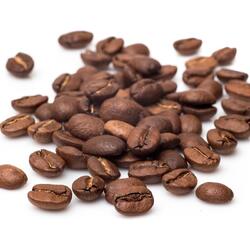


Dominicana Barahona AA – Roasted Coffee

With some hyperbole, we can say that if Pirates of the Caribbean drank coffee, it would be this one. Sadly, the Dominican Republic has only been growing coffee since the 1720s when the golden era of the valiant sea wolves was slowly coming to an end. It is a pity because this arabica from the Barahona region is grown to perfection. Delicious flavors and attractive aroma, this tropical coffee has notes of fruit, chocolate, and nuts. Pirates would have loved it, and you will as well.
Shipping methods
| Nizozemská pošta HD - zásilkovna | Delivered by 14. 10. | 1,00 € |
|---|---|---|
 DHL DHL |
Delivered by 14. 10. | 4,90 € |


Ingredients
100 % ArabicaTaste & Crema
Dominicana Barahona AA coffee stands out not only for its large and uniform beans but especially for its rich flavor profile, in which you can recognize oranges, chocolate, almonds, nuts, and honey. Its aroma is characterized by flowers and spices. The slightly acidic arabica tastes delicious from a dripper or prepared in an Aeropress. It has a smooth, cohesive crema.
Origins

Barahona is a region also known as Santa Cruz de Barahona, located in the south of the Dominican Republic. It is one of the most important areas of the country, a tourist destination, and a place where they grow the famous coffee. Temperatures can be said to stay the same year-round. The average temperature in January is 24.8°C, and 28°C in July. From May to June and from September to October, the rainfall is heavier. The high location of the coffee plantations, together with the excellent climatic conditions, allow the local farmers to grow coffee with a truly exceptional taste. It is not for nothing that Barahona is considered one of the top gourmet coffees.
The Dominican Republic exports only 20% of its total production (which is approximately 25,000 tonnes) annually, mainly due to high domestic consumption. The most cultivated variety is Typica, the harvest of coffee plants usually takes place between October and June, and most farms cultivate coffee plants on plantations of up to 8 acres. In addition to Barahona, coffee plants are grown in Bani, Cibao, Ocoa, Neyba, and Valdesia. The Dominicans have been producing coffee since 1720, mostly organically and in the shade of pine, macadamia, and guava trees. The coffee plants are processed on the farms in what is known as wet processing.
It means that workers dump the ripe coffee cherries into tanks of water and push them through crushing plates to remove the skins. They then leave them to ferment in fermentation tanks and finally dry them in ovens or the sun.


Benefits of coffee


Coffee packaging preview
Our quality aluminum packaging lacks any bold graphics, as we’d rather focus on the taste of our coffee. It always comes fresh thanks to degassing valve, which releases the gases that occur after roasting. Thanks to the hermetic seal, this container helps the contents further keep their freshness and protect them against humidity, light or foreign odors.
Instructions for preparation
Grind your coffee according to your preferred method.
Use 14ml of water per 1g of coffee. For 1 cup of coffee use 7g.
Add your coffee and cover with boiled water (95°C).


Are you looking for inspiration? Other customers have bought this:
Brazil Santos NY2 SSFC 17/18 – Roasted Coffee
Brazil South of Minas – Roasted Coffee