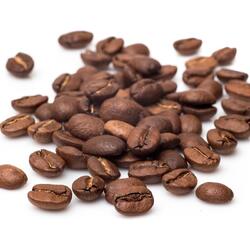


Ecuador Altura – Organic Roasted Coffee

In Ecuador, one can admire the colonial architecture, explore wild jungles, or relax on long beaches. The coffee from this equatorial country is equally captivating. It offers the freshness of fruit, the sweetness of caramel, the perfection of espresso, and a fantastic cold brew. The wet processing of the beans delivers a light body with a pleasing acidity.
Shipping methods
| Nizozemská pošta HD - zásilkovna | Delivered by 22. 10. | 1,00 € |
|---|---|---|
 DHL DHL |
Delivered by 22. 10. | 4,90 € |


Ingredients
100 % Arabica BIOTaste & Crema
Ecuador Altura organic coffee is a medium acidic coffee, so prepare for a subtle acidity that beautifully enhances the peachy-caramel base of its taste. The coffee is sweet, balanced, and slightly spicy. Its crema is light, smooth and compact.
Origins

First and foremost, it is crucial to emphasize that this coffee grew on naturally fertilized soils, and the farmers protected it from potential pests solely through biological means. As a result, a certified farm in the Zamora-Chinchipe province, located in the Loja region, can label its coffee with the organic label, thanks to its respect for the environment.
Ecuador has been growing coffee plants since 1860 and today is one of 15 countries that export both arabica and robusta. As of 2012, it exports coffee to 29 countries, with 80% going to Russia, Poland, Germany, Colombia, Italy, and the Netherlands. Growing, harvesting, and processing coffee in Ecuador is the livelihood of about half a million people, roughly 1 in 8 Ecuadorian farmers. Coffee plants are grown in several regions (Intag, Pacto, Zaruma, Orellana, etc.). Still, even Ecuadorians themselves claim that the best coffee in the country grows in the Loja region, near Yacuri National Park. The location produces the highest-quality coffee beans with high altitude, high humidity, and high-quality volcanic soil.
Farmers in Zamora-Chinchipe harvest their coffee essentially by hand from April to August. Only the reddest fruits are harvested. They go out to the plantations in the morning, let the cherries rest after picking them, and only after a few hours do they process them by so-called washing. They pour the cherries into the water and press them through a crushing plate, thus removing the skins and some of the flesh. The coffee beans are then soaked for approximately 10 hours in fermentation tanks. Finally, the coffee needs to be dried on so-called African beds for about 8 days. Once the moisture content of the beans reaches 14%, they are transferred to concrete terraces, where they are dried. Washing or wet-processing is a gentle way of producing the highest-quality coffee. It promotes fresh, fruity tones.


Benefits of coffee


Coffee packaging preview
Our quality aluminum packaging lacks any bold graphics, as we’d rather focus on the taste of our coffee. It always comes fresh thanks to degassing valve, which releases the gases that occur after roasting. Thanks to the hermetic seal, this container helps the contents further keep their freshness and protect them against humidity, light or foreign odors.
Instructions for preparation
Grind your coffee according to your preferred method.
Use 14ml of water per 1g of coffee. For 1 cup of coffee use 7g.
Add your coffee and cover with boiled water (95°C).


Are you looking for inspiration? Other customers have bought this:
Brazil Santos NY2 SSFC 17/18 – Roasted Coffee
Brazil South of Minas – Roasted Coffee