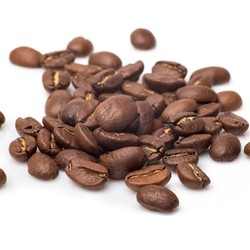


Ecuador Palanda Anaerobic Washed Microlot – Roasted Coffee

Take the skilled work of an Ecuadorian farmer, double anaerobic fermentation, and washed processing and you'll get a coffee to fall for. Ecuador Palanda Anaerobic Washed Microlot came from a small farm of one Edison Armijose, whose patience and respect to nature are a thing to behold. It's no surprise that the arabica he sent us has notes of brown sugar, white grapes, and caramel toffee. You'll love it!
Shipping methods
| Nizozemská pošta HD - zásilkovna | Delivered by 14. 10. | 1,00 € |
|---|---|---|
 DHL DHL |
Delivered by 14. 10. | 4,90 € |


Ingredients
100 % ArabicaTaste & Crema
Ecuador Palanda Anaerobic Washed Microlot will captivate you from the first hint of its aroma. In the taste, you can look forward to the gradually unfolding notes of brown sugar and caramel toffee with a refreshing trace of white grapes. The resulting drink is pleasantly juicy, with a body reminiscent of syrup and a more intense, pleasantly pungent acidity. Thanks to the double anaerobic fermentation, each note is clear, comprehensive, and lasting. This particular coffee is perfectly suited for pour-over brewing, but you can also enjoy it as an espresso with a modern twist.
Origins
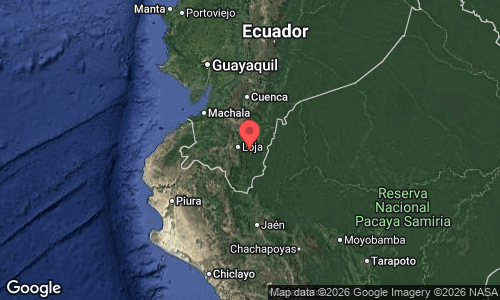
This coffee comes from Edison Armijos’s farm, located in the Palanda region in southeastern Ecuador. Edison established his 4-hectare farm in 2019 and has managed it from the start with a clear vision – to produce top-quality specialty coffee in a way that respects the surrounding natural environment. It’s no coincidence that he studied environmental engineering. Environmentally friendly cultivation and the constant search for ways to improve quality are just as important to him as the harvest itself.
Palanda is located on the edge of the Amazon Basin, not far from Podocarpus National Park. Fertile soil, a mountain climate at an elevation of around 1,650 meters, and ample rainfall create ideal conditions for growing Bourbon, Caturra, and Typica coffee varieties. Interestingly, the region is also considered the cradle of cacao. Archaeological findings confirm that local civilizations were using cocoa beans here as early as 5,000 years ago.
But back to coffee. Its exceptional character is primarily shaped during processing. After harvest, the coffee cherries are first left to rest for 72 hours, then fermented in their pulp for another 96 hours. Both phases take place in the absence of air. Only then are they washed, and the beans are slowly dried for approximately 20 days on raised beds. This combination of washed processing and double anaerobic fermentation gives this coffee extraordinary clarity, pronounced sweetness, and complex fruity character.
This batch is part of the Microlot program, which brings together small, fully traceable lots from independent Ecuadorian farmers. Each one represents the very best that local production has to offer.
Although Ecuador isn't among the largest coffee producers, it's increasingly drawing attention with exceptional microlots that demonstrate the country’s potential to soon rank among the most respected producers of specialty arabica.
Benefits of coffee


Coffee packaging preview
Our quality aluminum packaging lacks any bold graphics, as we’d rather focus on the taste of our coffee. It always comes fresh thanks to degassing valve, which releases the gases that occur after roasting. Thanks to the hermetic seal, this container helps the contents further keep their freshness and protect them against humidity, light or foreign odors.
Instructions for preparation
- Grind the coffee according to your preferred method.
- Use 14ml of water per 1g of coffee. For 1 cup of coffee use 7g (approx. 1.5-2 tsp).
- Add your coffee and cover with boiled water (95°C).


Most popular accessories for this product
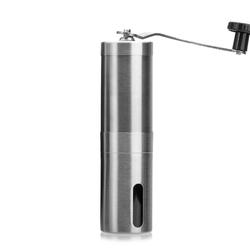
Kaffia Tall Manual Coffee Grinder
Are you looking for inspiration? Other customers have bought this: