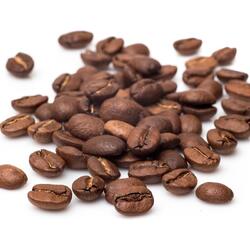


El Salvador SHG EP Santa Ana Miravalle H1 – Roasted Coffee

El Salvador may be the smallest country in Central America, but that doesn't diminish its rightful place on the coffee market. The Balsamo Mountains produce coffee that is simply delicious. It absorbs the nutrients from clear, flowing rivers and gets its aroma from the Pacific winds. Pleasant notes of caramel combine with delicate acidity in this simple classic.
Shipping methods
| Nizozemská pošta HD - zásilkovna | Delivered by 22. 10. | 1,00 € |
|---|---|---|
 DHL DHL |
Delivered by 22. 10. | 4,90 € |


Ingredients
100 % ArabicaTaste & Crema
El Salvador coffee hay a rich profile with a round and delicious flavor. You'll especially appreciate the caramel notes that make it an extremely popular variety. Acidity is medium in the case of the Pacas variety. However, the coffee is sweet, light and balanced. If you brew this 100% arabica like a classic espresso, you'll get a consistent, thick crema.
Origins

El Salvador coffee is said to be the drink of the ancient Mayans and Aztecs. The indigenous inhabitants of the coastal state in Central America gave the name to its most famous local brand – Pipil, which translates to "coffee". In fact, the first coffee trees were planted by Native Americans in Ahuachapan in 1830. The history of coffee in El Salvador has followed the country's turbulent history. Nowhere else in the world could we find a country so dependent on its production. For many years, it was El Salvador's most important export. In the early 20th century, coffee profits accounted for 90% of all exports. But the global economic crisis has shown that relying on this commodity alone was not a smart move. Coffee prices fell to third of the original prices, producers went bankrupt, workers were laid off and coffee was left to rot in warehouses. It all culminated in the 1932 uprising of tens of thousands of workers. Their action ended in a brutal massacre in which 30,000 people died. Not until 1970 did the political situation stabilize and farmers began to prosper again. The coffee industry survived, but the country is still dealing with high unemployment, crushing poverty and foreign debt.
El Salvador is slowly becoming a kingdom of high-quality plantation coffee once again. The region's climatic conditions, volcanic bedrock and a very careful approach to growing and harvesting coffee trees are all in its favor. The coffee trees are planted under the protection of trees that serve as windbreaks. Balsamo grows around 65% of Bourbon, 10% of Pacamara and 25% of Pacas varieties. The coffee plants are hand-pollinated two or three times. After the coffee fruits are harvested, they're processes using the wet method, which involves pushing the fruit through special plates to remove the pulp and skins. Then follows fermentation, drying and sorting.
El Salvador's coffee beans are among the best in the world. Although it nowadays accounts for only a fraction of the world's production, it's extremely popular and sought-after by connoisseurs.


Benefits of coffee


Coffee packaging preview
Our quality aluminum packaging lacks any bold graphics, as we’d rather focus on the taste of our coffee. It always comes fresh thanks to degassing valve, which releases the gases that occur after roasting. Thanks to the hermetic seal, this container helps the contents further keep their freshness and protect them against humidity, light or foreign odors.
Instructions for preparation
Grind your coffee according to your preferred method.
Use 14ml of water per 1g of coffee. For 1 cup of coffee use 7g.
Add your coffee and pour over with boiled water (95°C).


Are you looking for inspiration? Other customers have bought this:
Brazil Santos NY2 SSFC 17/18 – Roasted Coffee
Brazil South of Minas – Roasted Coffee