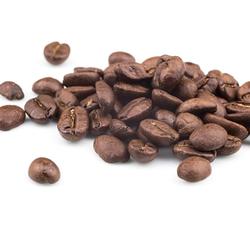


Guatemala Black Honey Coban – Roasted Coffee

The birth certitificate of this coffee bears the signature of Augusto Robles, the proprietor of a family-run farm nestled in the hills of San Cristobal Verapaz. He has ample reasons to be proud – his enterprise is flourishing, and his coffee is loved by quality-seekers worldwide. Guatemala Black Honey Coban, in particular, triumphs with a marvellous flavor profile and blends dried fruit, cocoa, and caramel cream. It comes highly recommended – a perfect ten!
Shipping methods
| Nizozemská pošta HD - zásilkovna | Delivered by 22. 10. | 1,00 € |
|---|---|---|
 DHL DHL |
Delivered by 22. 10. | 4,90 € |


Ingredients
100 % ArabicaTaste & Crema
Guatemala Black Honey Coban, like many other Guatemalan arabicas, has an excellent body, a full, rich flavor, and light, fruity acidity. Unlike the others, you will enjoy notes of dried fruit, cocoa, and caramel cream to go with it. This coffee is ideal for making espresso, latte, or cappuccino. Its unmistakable flavor develops beautifully when brewed in a moka pot or a dripper.
Origins

Guatemala has been marked by coffee production since the 1850s. At one time, it was even Central America's largest exporter. It currently exports more than 3 million 60kg bags a year, covering about 2.5% of the world coffee market. It is a vital export for the country, accounting for 40% of its agricultural export earnings.
It is an exaggeration to say that coffee can be found everywhere in Guatemala. Coffee plants are grown in 20 of the 22 regions, covering a total area of 270,000 hectares. The vast majority of the shrubs grow in the shade, and almost all of the shrubs are arabica varieties. Farmers usually process the red fruit by washing, less often by semi-washing. The result of this process is known as "honey coffee". That is the case with the Guatemala Black Honey Coban from the August Robles family farm.
Semi-washing combines the washing process and the dry method of processing coffee cherries. The fruits, usually containing 2 green beans, are dumped into the water by workers who use crushing plates to remove the skins. However, they do not return them to clean water to ferment but dry the coffee with the pulp still on. Because the pulp is sweet and the drying is gradual, the grain absorbs a considerable amount of sugar. The coffee dried this way must be carefully stripped of any residual dry pulp. The result is a harvest that exhibits a more pronounced sweet, fruity flavor and full notes of cocoa and caramel.
Since we mentioned the August Robles family, we must add that they have been running the farm since the late 20th century, employing around 10 people in the off-season and hiring up to 60 temporary workers during the harvest. They go out to the plantations from December to March, plucking the coffee cherries by hand and processing them by semi-washing. They have perfected a less common practice that has earned them a great reputation among coffee lovers.


Benefits of coffee


Coffee packaging preview
Our quality aluminum packaging lacks any bold graphics, as we’d rather focus on the taste of our coffee. It always comes fresh thanks to degassing valve, which releases the gases that occur after roasting. Thanks to the hermetic seal, this container helps the contents further keep their freshness and protect them against humidity, light or foreign odors.
Instructions for preparation
Grind your coffee according to your preferred method.
Use 14ml of water per 1g of coffee. For 1 cup of coffee use 7g.
Add your coffee and cover with boiled water (95°C).


Are you looking for inspiration? Other customers have bought this:
Brazil Santos NY2 SSFC 17/18 – Roasted Coffee
Brazil South of Minas – Roasted Coffee