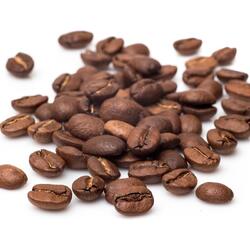


Guatemala San Marcos Robusta – Roasted Coffee

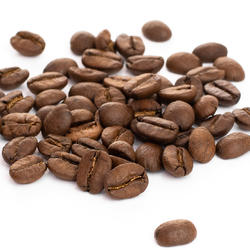
Robusta is the stronger counterpart of arabica. It has more caffeine, and the intense taste makes it perfect for espresso blends. Whether you mix it with your favorite arabica or make it solo, you will love the flavor notes of Guatemala San Marcos Robusta. Prepare for the signature earthiness, light citrus freshness, and traces of nuts. Don't be afraid to experiment with it!
Shipping methods
| Nizozemská pošta HD - zásilkovna | Delivered by 8. 10. | 1,00 € |
|---|---|---|
 DHL DHL |
Delivered by 8. 10. | 4,90 € |


Ingredients
100 % RobustaTaste & Crema
Guatemala San Marcos Robusta has a distinct earthiness. However, it will pleasantly surprise you with citrus notes, light acidity, and traces of nuts. It is a coffee with a distinctive flavor and makes a great company for any arabica, with its floral, chocolate, and fruity taste. You can use robusta to create your espresso blend, which will improve the crema of your coffee.
Origins
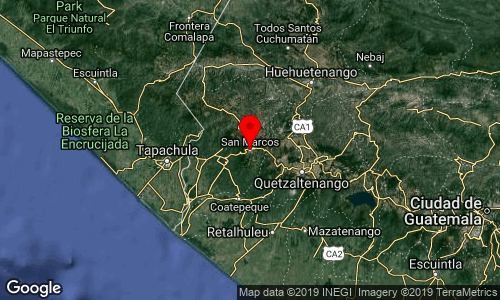
The reputation of Guatemalan coffee is more than excellent. Its volcanic, nutrient-rich soil, pleasant temperatures, and ample rainfall make this Central American country one of the world's major producers of premium coffee. In particular, the San Marcos region boasts natural conditions ideal for coffee growers. It is also the region with the oldest history of coffee cultivation, the richest rainfall, and the warmest climate in Guatemala.
The hilly region to the West of the country has some dormant volcanoes, which are said to be slowly "waking up". But it is also true that, for instance, Tajumulco (4,220m), the highest volcano in Central America, was last active in 1893. The locals have declared it a national park. Climb to the top is an unforgettable experience. From the village of Tiuchán, it's only 7km to the summit, but you'll need to climb a staggering 1,200m.
The rainy season begins in mid-April and ends in mid-November. Coffee plants are planted by farmers in the shade, usually at altitudes of 1,300-1,800m. Therefore, the bushes flower relatively quickly, but the fruit takes longer to ripen, allowing more complex coffee flavors to develop. The standard harvesting method is to hand-pick and process the coffee cherries by washing to bring out the coffee's fruity flavor. Green coffee beans need to be well-dried. In conditions of frequent and unpredictable rainfall, it is common for workers to dry the harvest partly in the sun and partly under a roof or in low-temperature mechanical dryers. Guatemalan Robusta is one of the world's most renowned varieties.
Guatemala was the first country to introduce a coffee-origin labelling system. In addition, in 2018, it registered its coffee on the Intangible Heritage of the Guatemalan Nation list. Unsurprisingly, Guatemalans have been exporting coffee since the 1850s. The crop brings hundreds of millions of dollars to the state's budget each year. Today, more than 125,000 local families cultivate coffee plants, mostly on small farms.
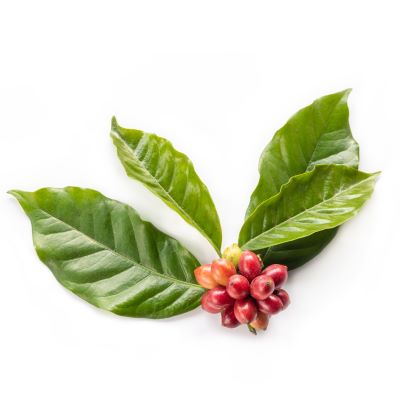
Robusta is a variety of coffee plants (Coffea canephora) with a higher caffeine content (up to 80%) and less flavor variation. The shrub itself is less susceptible to disease and also has higher yields. Robusta is usually used in espresso blends (blended with arabica in a 20:80 ratio) and in instant coffee production.
Benefits of coffee

Coffee packaging preview
Our quality aluminum packaging lacks any bold graphics, as we’d rather focus on the taste of our coffee. It always comes fresh thanks to degassing valve, which releases the gases that occur after roasting. Thanks to the hermetic seal, this container helps the contents further keep their freshness and protect them against humidity, light or foreign odors.
Instructions for preparation
Grind your coffee according to your preferred method.
Use 14ml of water per 1g of coffee. For 1 cup of coffee use 7g.
Add your coffee and cover with boiled water (95°C).


Are you looking for inspiration? Other customers have bought this:
Brazil Santos NY2 SSFC 17/18 – Roasted Coffee
Brazil South of Minas – Roasted Coffee