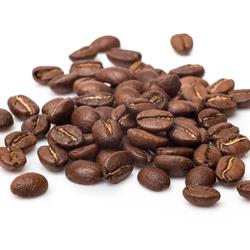


Guatemala SHB EP Acatenango – Roasted Coffee

It erupted in 1972. Covered in forests, it's capped with rubble. And it gave the name to a delectable coffee that Guatemalan farmers harvest in its shade multiple times a year. Acatenango is an irresistible adventure for numerous tourists and coffee enthusiasts with its balanced body, medium acidity, and pure flavor. Coffee beans from the hills over the Pacific Ocean are reminiscent of apricots, oranges, and chocolate.
Shipping methods
| Nizozemská pošta HD - zásilkovna | Delivered by 22. 10. | 1,00 € |
|---|---|---|
 DHL DHL |
Delivered by 22. 10. | 4,90 € |


Ingredients
100 % ArabicaTaste & Crema
Guatemala SHB EP Acatenango is one of the coffees with medium acidity, which makes it very popular. It has an intense aroma, a balanced body, and pleasant flavor. In the aftertaste, you will notice citrus fruits and sweet apricots, as well as a light hint of chocolate. Because it is 100% arabica, the crema is smooth but cohesive.
Origins

The Central American country bathed by the Pacific Ocean and the Caribbean Sea this coffee comes from needs no introduction. The tropical climate, with average annual temperatures around 25⁰C, provides excellent conditions for the rainforests that cover the entire north of the country. Some of their trees grow up to 70m. But Guatemala also offers savannahs and mixed forests, lakes, beaches, and relics from the time of the ancient Mayans.
The Sierra Madre de Chiapas mountains run through the centre of Guatemala, including its many volcanoes. The cones of the highest ones are permanently covered in snow. Acatenango, which gave its name to the local excellent coffee, is considered to be still active. Its eruptions were recorded in 1924, 1927, and 1972. The volcano's highest point is at 3,976m and can be reached by a several-days-long guided trek.
Farmers grow arabica coffee trees beneath the volcano in mineral-rich soil. Their red cherries are harvested several times a year at their peak ripeness. It produces a coffee full of aromatic substances and exceptional quality. They process the cherries using the washed method, pouring them into water tanks, pushing them through crushing plates, and leaving them to ferment in water for several days, stripped of the fruit matter. The light-colored pulp surrounding the coffee beans is also broken down in the water. The beans are finally dried either in direct sunlight or in ovens.
Coffee has been grown in this area by farmers since the 1880s, but the demand for Guatemalan coffee from beneath the Acatenango volcano has only appeared in recent years. Coffee is an essential pillar of the Guatemalan economy. All coffee producers have been associated with Anacafé (Asociación Nacional del Café) since 1960.


Benefits of coffee


Coffee packaging preview
Our quality aluminum packaging lacks any bold graphics, as we’d rather focus on the taste of our coffee. It always comes fresh thanks to degassing valve, which releases the gases that occur after roasting. Thanks to the hermetic seal, this container helps the contents further keep their freshness and protect them against humidity, light or foreign odors.
Instructions for preparation
Grind your coffee according to your preferred method.
Use 14ml of water per 1g of coffee. For 1 cup of coffee use 7g.
Add your coffee and pour over with boiled water (95°C).


Are you looking for inspiration? Other customers have bought this:
Brazil Santos NY2 SSFC 17/18 – Roasted Coffee
Mexico Altura – Roasted Coffee