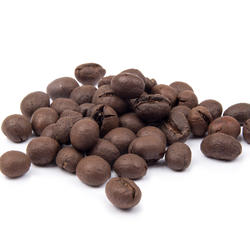


Hawaii Kona Hula Daddy – Roasted Coffee

Coffee plantations in Hawaii are small, but many. It's the luxurious nature of the coffee that makes it so rare – coffee plants, brought from Brazil, thrive in the hot Hawaiian climate. The flavor is so good it's hard to describe, very intense with hints of florals, mangoes and chocolate. Hawaii Kona Hula Daddy is an exclusive world-class delicacy you just have to try for yourself.
Shipping methods
| Nizozemská pošta HD - zásilkovna | Delivered by 1. 10. | 1,00 € |
|---|---|---|
 DHL DHL |
Delivered by 1. 10. | 4,90 € |


Ingredients
100 % ArabicaTaste & Crema
Hawaii Kona Hula Daddy coffee tastes and smells simply fantastic! Imagine a mix of daffodils, mangoes, and dark chocolate with a bit of marjoram. That's just the first sip. Now imagine the smell of sandalwood. That is how it greets your nose. Overall, this Hawaiian coffee is balanced and sweet. You can look forward to a smooth but compact, light crema.
Origins
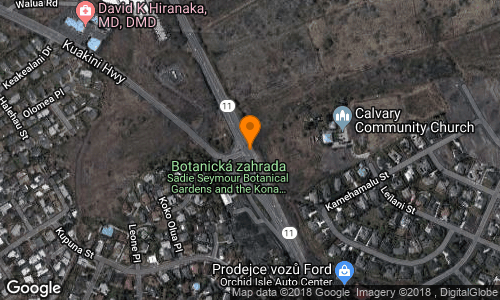
Hawaii is the eighth smallest state in the U.S. It was settled by Polynesians in the 10th century. Europeans first found out about it in 1778 through James Cook (who was killed in the power struggle to become the new chief of the Hawaiian Islands). After a wild escalations, the State of Hawaii became the 50th state of the U.S. in 1959. But lovers of selected premium coffee will be more interested in the geography and conditions in which coffee plants grow than the political situation.
If you are one of them, then know that the archipelago is volcanic in origin, and some of the volcanoes are still active. In May 2018, for example, Kilauea erupted, destroying 36 buildings and forcing more than 2,000 residents to evacuate. Hawaii's climate is tropical, with temperatures around 31°C in summer and 28°C in winter. In most of the territory, the year can be divided into a dry season (May-October) and a rainy season (October-April). Favorable year-round weather and fertile soil allow local farmers to contribute to Hawaii's prosperous economy. Traditionally, they grow sugarcane, pineapples, macadamia nuts, and coffee. Other important crops include ginger, bananas, onions, and sweet potatoes.
Farmers were introduced to coffee around 1817. A Spanish advisor to Hawaii's king Kamehameha reportedly brought the first coffee plant, but they did not take hold. 8 years later, the governor of Oahu brought back new coffee plants and planted them in his homeland. Manoa Valley on Oahu thus became the site where Hawaii's first coffee crop was harvested and processed. Next year, in 1828, missionary Samuel Ruggles planted a coffee plant in Kona County on the Big Island of Hawaii. Kona is on the west coast of the Big Island. In ancient settlements, the inhabitants named the leeward areas "Kona". The volcanic slope of Hualalai Mauna Loa provides an ideal microclimate for growing coffee. It is also the reason Kona Hula Daddy coffee is considered world-class.
There are around 700 coffee plantations across the region, covering a total area of approximately 900 hectares. The bushes are mainly harvested from July to December, but the coffee cherries ripen continuously, so secondary harvests are not uncommon. The farmers process the coffee using the washed process, fermenting the beans for 8-18 hours in special tanks and then drying them in direct sunlight. The result is a coffee of superior quality.


Benefits of coffee


Coffee packaging preview
Our quality aluminum packaging lacks any bold graphics, as we’d rather focus on the taste of our coffee. It always comes fresh thanks to degassing valve, which releases the gases that occur after roasting. Thanks to the hermetic seal, this container helps the contents further keep their freshness and protect them against humidity, light or foreign odors.
Instructions for preparation
Grind your coffee according to your preferred method.
Use 14ml of water per 1g of coffee. For 1 cup of coffee use 7g.
Add your coffee and cover with boiled water (95°C).


Are you looking for inspiration? Other customers have bought this:
Brazil Santos NY2 SSFC 17/18 – Roasted Coffee
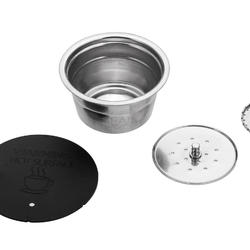
Dolce Gusto SealPod