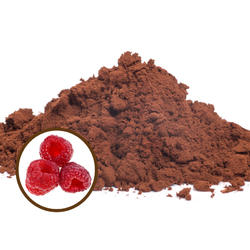


Hot Cocoa – Cookies and Cream

Crunch into the delicious chocolatey treat and savor the creamy vanilla stuffing. Who would't love a good cookie! Now you can indulge in an entire cup. This cookie-flavored hot cocoa will appeal to schoolchildren, their parents, and grandparents alike. Stir it in hot milk, and a delicious healthy breakfast or quick snack is on the table.
Shipping methods
| Nizozemská pošta HD - zásilkovna | Delivered by 22. 10. | 1,00 € |
|---|---|---|
 DHL DHL |
Delivered by 22. 10. | 4,90 € |


Ingredients
21 % Cocoa powder low fat, Sugar, Powdered skimmed milk, Salt, Thickener (E466), Aeration component (E341)Taste & Crema
Hot Cocoa with Cookies tastes just like the name suggests. The flavor combines exceptionally high-quality Ghanaian cocoa, milk powder, a touch of sugar and the flavor of crunchy cookies. If you can never resist a treat, this hot cocoa is for you. Just stir a few spoonfuls in hot dairy or non-dairy milk.
Origins
For Ghana, cocoa is one of its greatest treasures. The West African country has devoted extraordinary attention to the cultivation of the cocoa tree (Theobroma cacao), resulting in the number two position it occupies today among the world's cocoa exporters. It should be added that it pays attention not only to the quantity but also to the quality of this commodity. Ghanaian cocoa is in high demand. Chocolate made from it has a creamy and fruity taste, and is creamier and slightly woody.
If you are interested in the history of cocoa farming in Ghana, the first trees were planted in the country in 1895. This was done by a blacksmith named Tetteh Quarshie who brought the cocoa beans in his pocket from Bioko Island in Equatorial Guinea. Within a few years, Ghana exported its first crop to the world, contributing as much as 30-40% of the total cocoa volume to the global market between 1911 and 1976.
The cocoa industry currently employs around 1.6 million Ghanaians, with cocoa plantations located in 6 main regions (Western, Central, Eastern, Brong Ahafo, Ashanti and Volta).
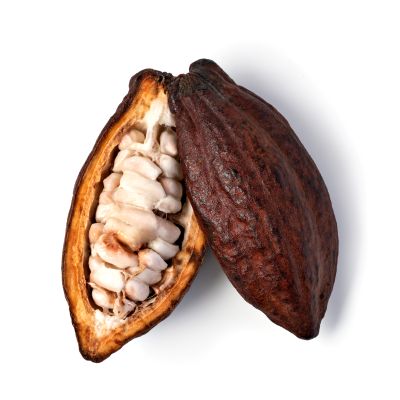
At the beginning of it all are cocoa trees, evergreen trees native to South America. They grow 5-8m, have dark green leaves and pinkish-white flowers growing straight from the branches. The fruit of the cocoa tree is a berry, most often yellow in color, but red or brown berries are no exception. The berry is divided into 5 chambers, each containing about a dozen of seeds – cocoa beans.
Cocoa tree fruit harvesting is physically demanding. Workers have to cut them off the branches with machetes, and removing the beans from the pulp is equally difficult. Once the beans are removed, the workers leave them to ferment for several days and then dry in direct sunlight. Sometimes they are roasted before being sold.
Once the beans reach the processing plants, they undergo another roasting process, are peeled and ground. The resulting cocoa mass is then separated into cocoa powder and cocoa butter. To make hot cocoa, the workers need to add, for example, sugar and milk powder.
Cocoa is a source of valuable nutrients, especially iron, potassium and magnesium. It also contains theobromine, a caffeine-like substance, and many antioxidants.
Not suitable for lactose intolerant people.
Benefits of coffee

Hot chocolate & Hot cocoa packaging preview
Our quality aluminum packaging lacks any bold graphics, as we’d rather focus on the taste of our products. Thanks to the hermetic seal, this container helps the contents keep their freshness and protect them against humidity, light or foreign odors.
Instructions for preparation
Add 3-4 teaspoons of cocoa powder (20g-26g) into a cup.
Cover with 200ml of hot milk or water.
Hot cocoa prepared with milk will have a smoother taste and a thicker, creamier consistency.


| Energy value: | 1550 kj / 370 kcal |
| Fats: | 2,8 |
| of which saturated: | 1,6 |
| Carbohydrates: | 70 |
| of which sugars: | 68 |
| Proteins: | 12 |
| Salt: | 0,7 |
Are you looking for inspiration? Other customers have bought this:
Chocolate Truffles – Flavored Roasted Coffee
Instant Irish Cream Coffee