


Why our products?
- Free shipping on orders over 49 €
- Satisfied customers
- Delivery date is specified within the product description
How to Cold Brew: A guide for (not just) beginners

Cold brew isn’t a new concept. Similar methods have been used by Japanese sailors all the way back in the 17th century, when they wanted to have coffee but didn’t dare to light an open flame. The current trend, however, originated in America, where, in 2010, coffee enthusiasts found out that cold brewing can result in an entirely different range of flavors compared to brewing with hot water.
Nowadays, you’re likely to find cold brew coffee in most coffee shops and come across entire store shelves filled with bottled cold brew coffee. What’s more, making it at home has also become extremely popular.
Different water, different flavor
Once hot water reaches ground coffee, the subsequent chemical reaction is similar to a water-soluble tablet – everything is released at once: acids, tannins, sugars, even aromas. In short, it really lets everything out. But will cold water, the process is different.
During those long hours it takes to brew in cold water, coffee only releases the notes of fruit, its natural sweetness, and pleasantly mild aromas. Acids and tannins often aren’t released at all. So, even people who generally dislike coffee for the sour or bitter taste can grow to love cold brew coffee.
Not all cold coffee is cold brew
Let’s clear up one big misunderstanding: Cold brew isn’t just any cold coffee. The difference between cold brew and coffee that’s simply been cooled down is like red wine and sangria. They share most ingredients, but there’s a stark difference in flavor.
Cold brewing doesn’t use hot water at all. The entire process is done with cold water and takes multiple hours. ‘Chilled brew’, as it’s sometimes called, is just a hot coffee that’s been allowed to cool down and then refrigerated. This means it still has all the characteristics of hot coffee, including acids and tannins.
The main difference is in flavor. Cold brew is milder, with less acidity but full of natural sweetness as well as fruity or floral tones. Chilled brew is stronger and more intense.
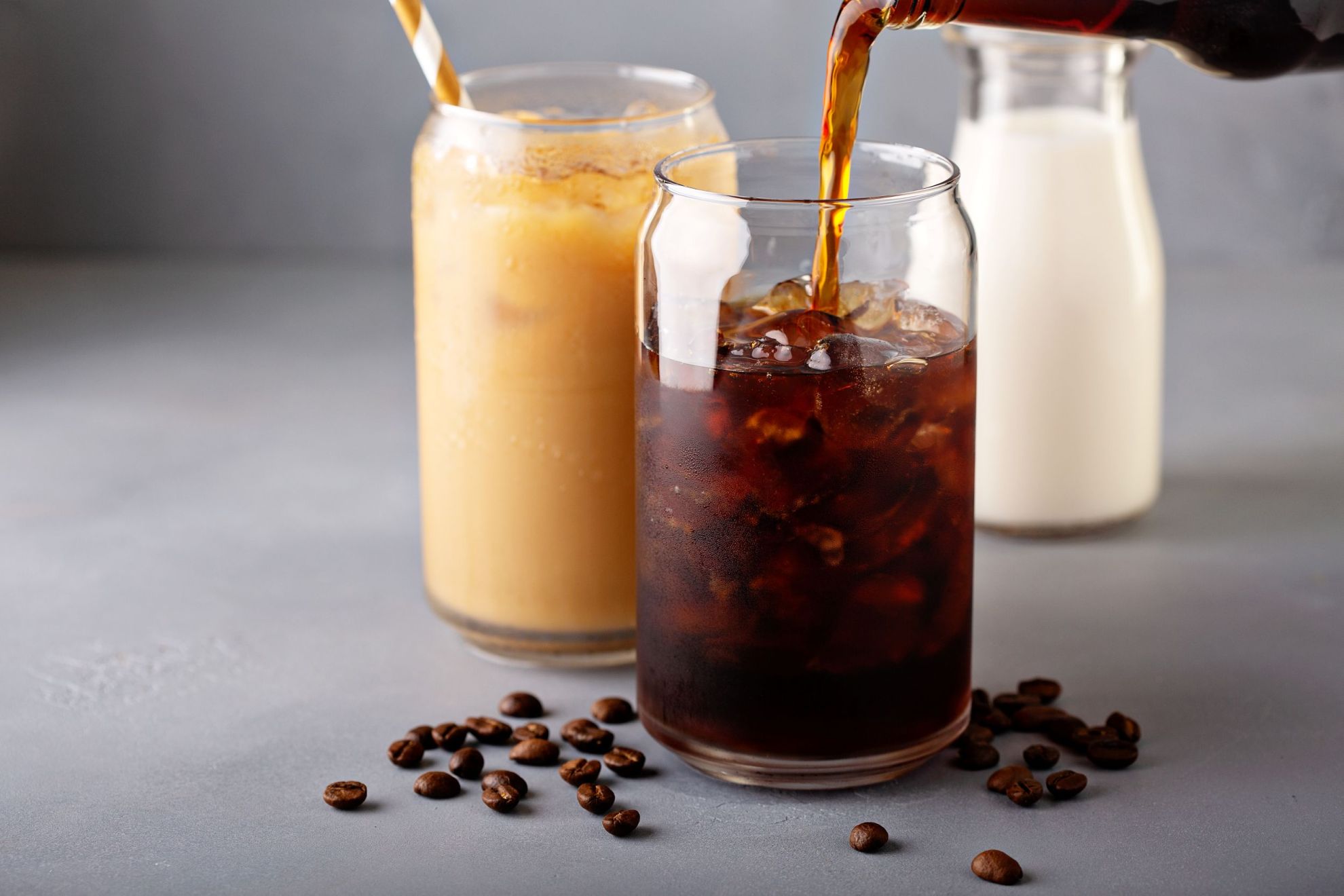
Five common cold brew mistakes
One of the most common mistakes is grinding your coffee too finely. The so-called espresso grind has more surface area that can come in contact with water, so the cold water extracts too many substances at the same time and results in a more bitter or astringent drink. But cold brew is all about slow brewing and pleasantly mild taste. The ideal grind for cold brew should feel like sea sand or ground salt.
Wrong ratios
Cold water can extract less substances from the beans than hot water, so you need to use more coffee. If you're making a regular filter, you only need maybe 60 g of coffee per liter of water, but with cold brew, you need 60-200 g per liter. It depends on whether you want to make a concentrate that you then dilute, or a weaker drink that you can have as is. There’s no one-size-fits-all recipe – everything depends on the type of coffee, the coarseness of the grind, and the length of the brewing process.
Misunderstanding ‘cold’
‘Cold’ in the name doesn’t necessarily mean iced. Room temperature often works better than cold, refrigerated water. If the temperature is too low, the brewing process won’t happen properly and your coffee will be bland even after 24 hours. The ideal water temperature is somewhere between 15-25°C. In summer, you can simply use room temperature water, while in winter, it should be slightly warmer – but never hot!
Underestimating time and ignoring hygiene
Cold brew requires patience. The ideal extraction time is between 12-20 hours. Shorter times (e.g., 6-8 hours) can lead to a bland, watery taste, while leaving it for too long (over 24 hours) can make it unpleasant and bitter. Experienced cold brew fans often experiment with longer periods, but generally speaking, 14-18 hours is optimal.
Just remember that a short extraction time means weak coffee and a too-long extraction comes with the risk of unpleasant taste. Since cold brew is prepared entirely without heat – meaning nothing that can kill residual bacteria – it’s important to have clean containers, good drinking water, and store the finished brew in the fridge immediately.
Choosing coffee based on taste
Colombian coffees are known for their balanced flavor, medium acidity, and subtle fruity notes that often include often citruses. In a cold brew, these notes of citrus become less pronounced, and instead of sharp lime, you may get a subtle hint of grapefruit or orange peel. Typical nutty or cocoa undertones become more pronounced in cold extraction.
Colombian coffee is ideal for those who are just starting out with cold brew. Huila Women's Coffee Project, for example, keeps its complex flavor, but loses its bright spiciness it can have in the form of espresso.
Honduras for chocolate lovers
Cold brew made with Honduran coffee is full of chocolate notes that are complemented with some light fruity flavors to create a rich yet balanced drink. Thanks to the medium acidity, the drink is bright, but not unpleasantly so. We recommend Honduras Finca La Hacienda for these exact reasons.
Brazil for beginners and experienced
Brazilian coffees tend to be less acidic and sweeter, often with nutty, cocoa, or caramel flavors, which makes them a great choice for a cold brew. Thanks to the low acidity, the coffee is smooth and the cold extraction brings out its chocolate and nutty notes even more. South of Minas, for example, is a balanced coffee that will taste good even if you make a few mistakes in the process.
Caramel in every sip
Costa Rica San Rafael Tarrazu combines caramel flavor with minimal acidity. Cold brew from this coffee will have a fuller and sweeter flavor compared to most. The cold extraction will bring out the caramel while the low acidity will ensure balance.
Cold brew made easy
There is one huge advantage to cold brewing: it can last for up to a week in the fridge. You can make a bottle of concentrate on Sunday and enjoy good strong coffee for the rest of the working week. Wake up, pour yourself a cup, dilute it with water and you’re good to go.
You don't even have to stick to water. Cold brew is also great with coconut water, almond milk, or tonic, which makes for a refreshing combination of bitterness and mild acidity. Moreover, cold brew coffee is a great choice for cold cocktails. It goes well with rum, bourbon, or amaretto, for example.
It’s also surprisingly versatile in cooking and baking. You can use it in tiramisu, chocolate mousses, ice creams, coffee glazes, or modern dessert sauces. It also complements recipes where espresso would be too strong or sour.
Making Cold Brew step by step
First, you’ll need 100-150 g of coarsely ground coffee and 600-750 ml of room temperature water. If you want to make cold brew that doesn’t require diluting, you can stick 60-80 g of coffee per liter of water. Prepare a glass container with a lid or a French press as well as a strainer and some coffee filters.
In the evening, pour the coffee into the container and gradually add in the water. Stir, cover, and allow to brew at room temperature (approx. 20-22°C) for 12-24 hours. If you plan on making it in the fridge, let it sit for up to 24 hours.
Strain it the next day. First, use a strainer, then run it through a coffee filter. Filtration can take up to half an hour, especially with finer filters. Dilute the finished coffee as desired, usually 1:1 of coffee to water or milk. Store in a bottle in the fridge, it will last you for up to one week.
Serve with ice, a slice of lemon, mint, or perhaps a drizzle of vanilla syrup. You can enjoy cold brew all year round – iced in the summer, with extra herbs in the spring, or with some warm milk during winters.