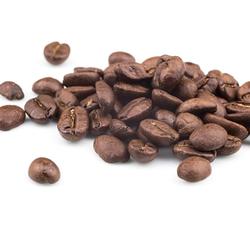


Colombia Huila Women's Coffee Project Microlot – Roasted Coffee

In southwest Colombia, coffee ripens in the high mountains' volcanic soil. That's nothing special in the world of coffee – but these special beans carry unique flavors and aromas. They grow nowhere else in the world. That's why microlots from the Huila region are among the most sought-after. And thanks to our sweet tooth, the women can send their kids to school and provide them with proper healthcare.
Shipping methods
| Nizozemská pošta HD - zásilkovna | Delivered by 16. 10. | 1,00 € |
|---|---|---|
 DHL DHL |
Delivered by 16. 10. | 4,90 € |


Ingredients
100 % ArabicaTaste & Crema
The Huila Women's Coffee Project's Colombia arabica tastes genuinely extraordinary. When prepared properly, your senses are first hit by notes of red oranges, which gradually give way to almonds and walnuts. The coffee also delights with its rich body and subtle grapefruit aroma. The crema is light and compact.
Origins

Enjoying this coffee is like shaking hands with dozens of hard-working Colombian women. Wearing colorful aprons and genuine smiles, they regularly tend to the Castillo and Colombia coffee plants growing on 21 farms covering a total of 56 hectares. Coffee influences their lives from morning to night, and it helps their children go to school, get medical treatment and better shoes.
The Huila region has been affected by volcanic eruptions. The volcanoes have created massive mountain ranges and a deep valley through which the Magdalena River flows. In the Tatacoa Desert, temperatures soar to 35°C, while on the mountain peaks of Nevado del Huila, the temperature rarely exceeds zero.
The region's main exports are oil and coffee or coffee products. It is produced by 35 of the 37 local municipalities. The Colombian government aims to promote coffee plantations to ensure farmers' sufficient income. Rice, maize, and sugar cane are also grown in Huila.
In Colombia, coffee cherries are commonly processed using what is known as the washed process. It means that the harvested cherries of the coffee plant (Coffea arabica) are poured into the water by women (yes, in the case of the Columbia Huila Women's Coffee Project microlot, it is exclusively women), and the ones that sink to the bottom are pushed through crushing plates. That is how the coffee beans are released. The coffee is left to ferment in large barrels to give it the necessary properties and to get rid of the mucilage. Finally, the coffee must be dried and cleaned.


Benefits of coffee


Coffee packaging preview
Our quality aluminum packaging lacks any bold graphics, as we’d rather focus on the taste of our coffee. It always comes fresh thanks to degassing valve, which releases the gases that occur after roasting. Thanks to the hermetic seal, this container helps the contents further keep their freshness and protect them against humidity, light or foreign odors.
Instructions for preparation
Grind your coffee according to your preferred method.
Use 14ml of water per 1g of coffee. For 1 cup of coffee use 7g.
Add your coffee and pour over with boiled water (95°C).


Are you looking for inspiration? Other customers have bought this:
Brazil Santos NY2 SSFC 17/18 – Roasted Coffee
Colombia Supremo Medelin Andeano – Roasted Coffee