


Indonesia Bali Paradise – Roasted Coffee

Unlike their counterparts in Java or Sumatra, who owe their coffee to the Dutch, the Balinese owe theirs to traders from the neighbouring island of Lombok. Starting the first plantations in the Kintamani area was a step in the right direction. Since then, the coffee fruit ripens on the slopes of local hills shaded by orange trees, which give them the delicate flavors of almonds, cocoa, fruits and spices.
Shipping methods
| Nizozemská pošta HD - zásilkovna | Delivered by 15. 10. | 1,00 € |
|---|---|---|
 DHL DHL |
Delivered by 15. 10. | 4,90 € |


Ingredients
100 % ArabicaTaste & Crema
Indonesia Bali Paradise coffee is one of the distinctive, full-flavored varieties. It combines almonds, cocoa, fruits, and spices. The overall composition is harmonious and fresh.
Origins
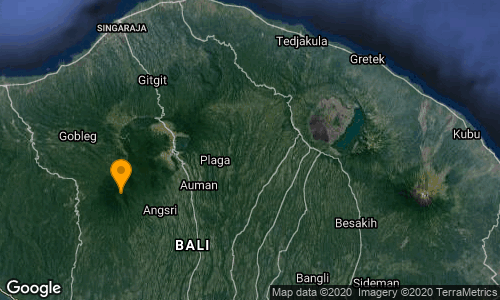
You must have heard about the beauty of Bali. The Indonesian island, whose shores are bathed by the Indian Ocean, is one of the most popular tourist destinations. It is famous for its breathtaking nature, beautiful temples, and rich cultural life. We'd like to add coffee on the list.
The first plantations of arabica coffee plants (Coffea arabica) appeared in the Kintamani region around 1980. They were brought not by the Dutch, as on other Indonesian islands, but by traders from neighbouring Lombok. The hilly Balinese landscape, rich volcanic soil, and the shade of the orange groves provided excellent conditions for the shrubs. At 1,200m, local farmers began to harvest excellent quality coffee. Although coffee is now grown elsewhere in Bali, Kintamani remains the island's main production area.
Farmers are very concerned about maintaining harmony with nature. It is part of their Balinese Tri Hita Karana philosophy of balance between people and God, people and each other, and people and their environment. Unsurprisingly, they grow their coffee under what the Western world calls Fair Trade or organic farming. All harvesting is done by hand, and unlike other Indonesian farms, the Balinese choose to process the beans using what is known as the wet method, or washing.
The ripe fruit is first stripped of its skin and partly of its flesh. Then the loose grains are sorted according to color and size before being fermented in vats with water. The process takes 32 hours, during which time the pulp residue enveloping the seeds dissolves, and the coffee acquires the right acidity and aroma. Once the process is complete, the farmers spread the coffee on concrete terraces and dry it in the sun for several days.
Through the words of the coffee master at Seniman Coffee Studio, Rodney Glick, for vilondo.com – "A wet-processed Bali coffee is so much brighter and high-toned than other coffees from the region; it’s hard to compare them. It definitely has the fruit flavors found in Java, Timor and Flores coffees, but bears little resemblance to Sulawesi or Sumatra coffees (except for the rare wet-process coffees from those origins)."


Benefits of coffee


Coffee packaging preview
Our quality aluminum packaging lacks any bold graphics, as we’d rather focus on the taste of our coffee. It always comes fresh thanks to degassing valve, which releases the gases that occur after roasting. Thanks to the hermetic seal, this container helps the contents further keep their freshness and protect them against humidity, light or foreign odors.
Instructions for preparation
Grind your coffee according to your preferred method.
Use 14ml of water per 1g of coffee. For 1 cup of coffee use 7g.
Add your coffee and cover with boiled water (95°C).


Are you looking for inspiration? Other customers have bought this:
Brazil Santos NY2 SSFC 17/18 – Roasted Coffee

Brazil South of Minas – Roasted Coffee