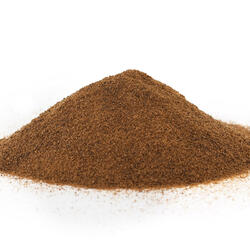


Instant Coffee – India 100% Robusta

Coffee has been a part of Indian culture for more than two hundred years. In that time, it has earned an extraordinary reputation and millions of fans globally. Local farmers are experimenting with cultivation practices, innovative processing methods, and pushing the level of their harvests to greater and greater heights each year. Instant coffee made from Indian robusta is the perfect proof.
Shipping methods
| Nizozemská pošta HD - zásilkovna | Delivered by 15. 10. | 1,00 € |
|---|---|---|
 DHL DHL |
Delivered by 15. 10. | 4,90 € |


Ingredients
100 % RobustaTaste & Crema
Instant Coffee Indian Robusta is one of the more expressive, yet balanced and delicate coffees. In its taste, you will notice especially nougat. To get the best taste and aroma, pour on hot water, never boiling.
Origins
Robusta is far more widely grown by Indian farmers than arabica, so it's clear that they achieve masterful results, and robusta from India is one of the most sought-after. Legend has it that the saint Baba Budan brought coffee to the country from Yemen. That was around 1670. He hid 7 precious coffee beans in his beard.
Interestingly, until the 2nd half of the 18th century, Indians cultivated coffee trees more as a decoration rather than export plants. It was only with the arrival of the British that the first commercial plantations were planted. Still, it is a long way from coffee cherries to a bag of instant coffee. Indian coffee farmers most often process coffee using the so-called wet method, which means that they remove the skins and pulp from the fruit of the coffee tree in water – by pressing it through crushing plates. The loosened green beans are then poured into fermentation tanks, where they are left to ferment for several hours. During this natural process, the residual mucilage coating the coffee is dissolved. Then comes the drying process, either in direct sunlight or in dryers.
When instant coffee producers first get their hands on Indian robusta, they must process it properly. The next step is to grind it and prepare a very concentrated brew. After they filter it, they spray it into the air in a high-temperature environment, where the tiny droplets dry immediately and form fine granules.
The "inventor" of instant coffee has long been disputed. It may have been first produced in Japan in the early 20th century, but it did not come to the attention of consumers until World War II when it was supplied to American soldiers.
Benefits of coffee
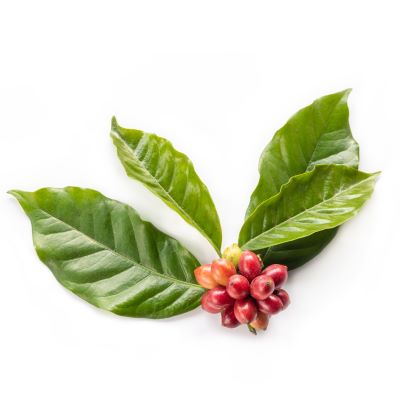

Coffee packaging preview
Our quality aluminum packaging lacks any bold graphics, as we’d rather focus on the taste of our coffee. It always comes fresh thanks to degassing valve, which releases the gases that occur after roasting. Thanks to the hermetic seal, this container helps the contents further keep their freshness and protect them against humidity, light or foreign odors.
Instructions for preparation
or best experience use a 90ml cup.
Add 1-2 teaspoons of coffee and cover with boiled water cooled down to 90°C. Using boiling water may negatively affect taste.
Always use fresh, clean water.


Are you looking for inspiration? Other customers have bought this:
Instant Coffee Mexico 100% Robusta
Instant Coffee Robusta – Ecuador