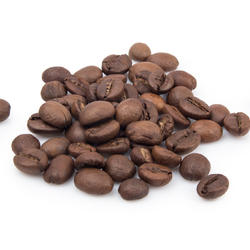


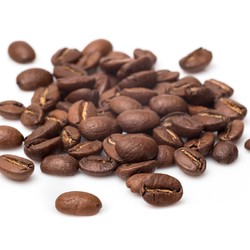
Ivory Coast Robusta – Roasted Coffee

Ivory Coast coffee is typical for its nutty and spicy flavors. This robusta is one of the distinctive, pleasantly earthy varieties. If you sample carefully, you will also discover notes of sweet caramel. West African robusta is ideal for making a homemade espresso blends – add it to your favorite arabica for a strong, attractive, invigorating beverage and a beautiful crema.
Shipping methods
| Nizozemská pošta HD - zásilkovna | Delivered by 5. 10. | 1,00 € |
|---|---|---|
 DHL DHL |
Delivered by 5. 10. | 4,90 € |


Ingredients
100 % RobustaTaste & Crema
Ivory Coast Robusta coffee can be described as earthy and flavorful, with a distinct nuttiness and a subtle line of caramel. You'll also discover a hint of spice the Ivory Coast's production is known for. You will appreciate this robusta if you love strong, bitter, and invigorating coffee. If you prefer a more delicate beverage with a layered flavor and a rich crema, add this robusta to one of the select arabicas (the usual ratio is 20:80). You can fine-tune your espresso blend by using different arabicas and changing the ratio with robusta.
Origins
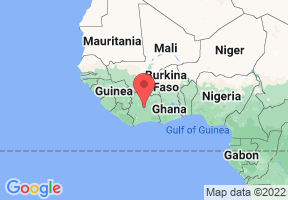
The Ivory Coast is not a big name in the world of coffee, which is a shame. The local plantations can produce coffee to die for, especially for those looking for an attractive robusta. That is what the farmers in Ivory Coast (Republic of Côte d'Ivoire) specialize in. The robusta you are about to taste now grew in the north of the country, in the gentle hills where temperatures are usually between 18-35°C. They were washed to extract the green coffee beans, dried on concrete slabs (with frequent raking to prevent mold from degrading them), then sorted and put into 60kg bags. It was in these that the Ivorian robusta made its way to us.
Coffee production is crucial to the West African country as it is its second-largest export commodity. If you are interested in the world ranking, Ivory Coast is in the 14th place. It accounts for 1.08% of the global market. However, it is still a major producer of robusta, and even though civil wars have plagued the country, it intends to continue working hard to develop coffee plantations and improve production quality.
Coffee plants appeared on the southern coast of West Africa with the arrival of French colonizers in the 19th century. The highest yields were achieved by local farmers in 2000, after which coffee production fell to less than half due to the unstable political situation. Since then, however, it has slowly increased again.
One more fact to add. When Ivory Coast became an autonomous state in 1960 (the first president was Félix Houphouët-Boigny, a cocoa farmer), his government provided farmers with stable conditions, fair export prices, and, in addition, supported agriculture with the significant immigration of workers from neighbouring countries. That catapulted Ivory Coast into the ranks of the world's leading cocoa exporters and attracted many European professionals – to be exact, the community of French engineers, managers, and teachers doubled in the country. And the coffee industry has benefited as well.
But back to coffee. Robusta from the Ivory Coast is usually favored by the French and Italians, who use distinctive and atypical flavors in their espresso blends. Big companies like Nescafé also use its full-bodiedness. Enriching the blends with excellent robustness guarantees a creamy, delicious, and yet pleasantly strong beverage you can try. Don't be afraid to experiment, and after you have done a careful tasting of Robusta Ivory Coast, try topping it with one of the sweet, mild, or fruity arabicas (the usual blending ratio is 20:80 robusta to arabica). You can prepare an original espresso blend at home to suit your taste preferences.
Benefits of coffee
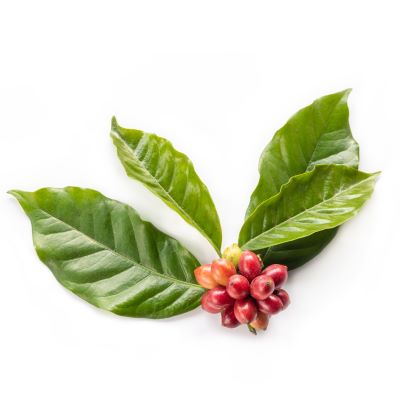

Coffee packaging preview
Our quality aluminum packaging lacks any bold graphics, as we’d rather focus on the taste of our coffee. It always comes fresh thanks to degassing valve, which releases the gases that occur after roasting. Thanks to the hermetic seal, this container helps the contents further keep their freshness and protect them against humidity, light or foreign odors.
Instructions for preparation
Grind your coffee according to your preferred method.
Use 14ml of water per 1g of coffee. For 1 cup of coffee use 7g.
Add your coffee and cover with boiled water (95°C).


Are you looking for inspiration? Other customers have bought this:
Colombia Supremo Medelin Andeano – Roasted Coffee
Cuba Serrano Superior – Roasted Coffee