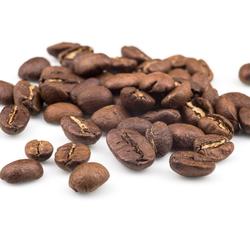


Keyna AA Nakuru Mutungat Microlot – Roasted Coffee

Kenyan coffee is one of the best in the world. It has a rich body, high acidity, intense flavor, and delicious aroma. Yes, that is precisely what the Kenya AA Nakuru Mutunugat microlot from the Volcanoes and Lakes region is. It tastes of currants, apricots, cherries, and grapes, and you will also find juicy pomegranate. It was grown on a plantation managed by the Kibirigwi Farmers Cooperative Society, so it has received top-notch care and has proven origin.
Shipping methods
| Nizozemská pošta HD - zásilkovna | Delivered by 22. 10. | 1,00 € |
|---|---|---|
 DHL DHL |
Delivered by 22. 10. | 4,90 € |


Ingredients
100 % ArabicaTaste & Crema
Kenya AA Nakuru Mutunugat is an arabica known for its intense flavor profile. If you focus, you will notice lines of fresh, tart fruit complemented by a pleasant sweetness. The aroma is downright delicious and balanced, and the body is rich.
Origins

How did Kenya Arabica AA Nakuru Mutunugat come to be? It originates from one particular plantation in the Nakuru region of Kenya. You might be interested to know that, in addition to fields of coffee plants, there are also some extraordinary lakes (the most popular one is called Nakuru; its surface and shores are continuously covered with large flocks of pink flamingos), archeological sites, and extinct volcanoes. Volcanoes play a crucial role in the quality of coffee, the red volcanic soil imparts specific minerals to the fruit, which influences the taste. Of course, the high altitude at which the bushes are grown and the balanced ratio of sunny to rainy days also play a part. Kenya is famous for its coffee plants. Although its production is not among the largest in the world, it can export top varieties sought-after by coffee connoisseurs in the US, Europe, and Asia.
Coffee plants are grown by Kenyans at altitudes of around 1,400-2,000m, which classifies many in the SHG (Strictly High Grown) and SHB (Strictly Hard Bean) categories. The area covered by coffee plantations in Kenya is estimated at 160,000 hectares. Another estimate is that around 150,000 people are involved in coffee cultivation in the country, and 6 million people are directly and indirectly employed in the coffee industry. It is rather difficult to find a relevant figure describing the volume of annual coffee production in Kenya. Some sources quote a million bags; others say 40,000 tonnes.
In any case, it covers less than 1% of the world market. It is also interesting to note that although Kenya is directly adjacent to Ethiopia, the cradle of coffee, its inhabitants did not start growing coffee trees until the late 19th century. The origins of commercial production are attributed to British-owned farms, which changed after the famous Mau Mau uprising in 1954 when independent Kenyans took over the plantations and production facilities. Most farmers (about 55%) are smallholders organized into a few hundred cooperatives. One of these is the Kibirigwi Farmers Cooperative Society, comprising 8 processing plants.
Kibirigwi Farmers Cooperative Society coffee (comprising 1,141 farmers) is washed using water from the Kibirigwi River. Workers pour the hand-harvested red coffee cherries into water tanks and sort them according to whether they float or sink to the bottom. After the seeds are stripped of pulp, the green coffee is fermented in special containers overnight. Then the workers have to wash and sort it. They use concrete tables for drying – the green beans lie on them for 8-14 days. In addition, each year, the cooperative grows over 200,000 seedlings of coffee plants to replenish the plantations.


Benefits of coffee


Coffee packaging preview
Our quality aluminum packaging lacks any bold graphics, as we’d rather focus on the taste of our coffee. It always comes fresh thanks to degassing valve, which releases the gases that occur after roasting. Thanks to the hermetic seal, this container helps the contents further keep their freshness and protect them against humidity, light or foreign odors.
Instructions for preparation
Grind your coffee according to your preferred method.
Use 14ml of water per 1g of coffee. For 1 cup of coffee use 7g.
Add your coffee and cover with boiled water (95°C).


Are you looking for inspiration? Other customers have bought this:
Brazil Yellow B. Fazenda Da Lagoa – Roasted Coffee
Kenya AA Superstar – Roasted Coffee