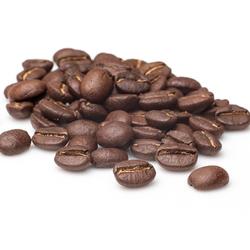


Myanmar Paduak Washed AA – Roasted Coffee

Eureka! This washed arabica blew us away with taste so layered that every sip was a new experience. And we are sure you will appreciate the harmony of chocolate, nuts, spices, and – listen here – green tea. Southeast Asia's coffee industry is booming and the production quality rivals the world's most famous plantations. Double A Myanmar from Paduak is another gem in our collection of unique flavors.
Shipping methods
| Nizozemská pošta HD - zásilkovna | Delivered by 23. 9. | 1,00 € |
|---|---|---|
 DHL DHL |
Delivered by 23. 9. | 4,90 € |


Ingredients
100 % ArabicaTaste & Crema
Myanmar Paduak Washed AA coffee will delight you with a variety of complementary flavors. While the presence of chocolate and nuts among them may come as no surprise, adding cardamom is a pleasant bonus. The hint of green tea, however, is truly something special! It adds a unique freshness and lightness to the whole composition.
Origins

In Europe, we do not often associate Burma with coffee, but we should start doing so. It seems well on its way to becoming one of the world's top producers. Burma, known as Myanmar since 1989, is located on the Bay of Bengal coast, bordering India, China, Laos, Thailand, and Bangladesh. With about 50 million inhabitants and diverse weather conditions, the country's north is characterized by the Himalayas, the west by the Arkansas Mountains, and the centre by the lowlands around the Irrawaddy River.
The subtropical climate is naturally humid and warm, with half of Burma's area covered by rainforests. Most rainfall comes in summer and autumn, but monsoons occur year-round. The areas of Ywangan and Pyin Oo Lwin, where Myanmar Paduak Washed AA coffee is imported from, are about 100km apart. These primary coffee locations in northern Myanmar are associated with the Mandalay Coffee Group. Both farms are at an altitude of around 1,100-1,600m, farmed by local workers, and send the coffee to a central mill for processing.
Coffee cherries are harvested in Myanmar from December to April during the dry season. Within 48 hours of plucking, the coffee is sorted, and the ripe fruit is mechanically stripped of the top tough skin, a process known as pulping. The harvest then needs to be fermented. To accomplish this, Myanmar producers use concrete tanks to pour the coffee and seal it to ensure that no air can penetrate or escape. During this process, the coffee pulp encasing the beans is dissolved. The coffee must then be removed, spread out on concrete terraces, and rotated regularly (every hour) to dry thoroughly.
Coffee was first cultivated in Myanmar by missionaries in the late 19th century. Although they were not very successful at the time, we must mention that the plantations they established are still in operation today. That is true even though (or perhaps because) the state managed them from the 1960s to the 1990s. After all, the government has always been deeply involved in the local coffee industry. Working with foreign organizations, it has made efforts to reduce poppy production and replace it with coffee plants. Today, thanks to the state's support and non-government organizations investments, the country manages to produce excellent coffee.


Benefits of coffee


Coffee packaging preview
Our quality aluminum packaging lacks any bold graphics, as we’d rather focus on the taste of our coffee. It always comes fresh thanks to degassing valve, which releases the gases that occur after roasting. Thanks to the hermetic seal, this container helps the contents further keep their freshness and protect them against humidity, light or foreign odors.
Instructions for preparation
Grind your coffee according to your preferred method.
Use 14ml of water per 1g of coffee. For 1 cup of coffee use 7g.
Add your coffee and cover with boiled water (95°C).


Are you looking for inspiration? Other customers have bought this:
Brazil Santos NY2 SSFC 17/18 – Roasted Coffee
Ethiopia Yirga Cheffe – Roasted Coffee