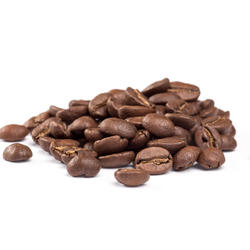


Panama Arabica SHB EP Boquete Las Dalias Finca Mary Microlot – Roasted Coffee

Panamanian arabica from the country's oldest and most renowned coffee region will impress you with flavors brimming with complementary citrus and walnut in a rich, moderately acidic body. The Peterson family, who farm Hacienda Esmeralda, dedicate themselves to coffee with care and love. This also contributes to the uniqueness of the microlot harvested from a part of this small plantation, both in taste and origin.
Shipping methods
| Nizozemská pošta HD - zásilkovna | Delivered by 22. 10. | 1,00 € |
|---|---|---|
 DHL DHL |
Delivered by 22. 10. | 4,90 € |


Ingredients
100 % ArabicaTaste & Crema
The Panama Arabica SHB EP Boquete coffee bean, is a medium acidic yet very balanced and full-bodied coffee. You will notice citrus fruits, whose freshness is beautifully complemented by notes of walnuts. The harmony of all the flavors of this unique arabica comes out nicely when prepared on a filter or in an espresso machine.
Origins

The popularity of Panamanian coffee is many times outweighed by the fact that its production is on a slight decline. But smaller export means that Panama is focusing on growing unique, exceptional coffee varieties in smaller batches – just try microlot arabica and you'll udnerstand why.
Coffee plants arrived in Panama in the late 19th century when European immigrants arrived in the country. The Boquete region of the Central Cordilleras was among the first to grow coffee plants. The southwestern slopes on which the plantations are located, the nutrient-rich volcanic soil, and the fine mist brought into the hills by the wind from the north all contribute to the harvest quality. It helps slow the coffee cherries' ripening, allowing the beans to accumulate different flavor layers and unique profiles gradually.
The temperature in Boquete ranges between 10-24°C, and the coffee is harvested from December to March. Specifically, the Panama Arabica SHB EP Boquete microlot is grown, harvested, and processed by the Peterson family of the Hacienda Esmeralda farm. The family has been growing coffee since 1967 and besides cultivation, they raise animals. It is not without interest that the Petersons are very conscious of the sustainability of their business. For example, they use the waste from coffee processing to fertilize the soil, and they always schedule the pruning of the coffee plants for when the birds are finished nesting. They also take care of their workers and their children by building a nursery for mothers with babies. They supply their employees with basic foodstuffs anf provide scholarships for children who excel in school.
The atmosphere on the farm is open and welcoming, solidarity and warmth characterize the people working there. And yet that does not detract from the professional approach with which the coffee is grown and harvested. The workers pluck the coffee cherries by hand to select only the ripest ones. At the washing station, they dump them into water barrels and use special mills to remove the skin and some of the pulp. Then, the loosened grains are transferred to clean water tanks and left to ferment for several hours. Finally, they spread the entire harvest on concrete slabs and dry the coffee in direct sunlight, raking it frequently. They then sort and package the coffee.


Benefits of coffee


Coffee packaging preview
Our quality aluminum packaging lacks any bold graphics, as we’d rather focus on the taste of our coffee. It always comes fresh thanks to degassing valve, which releases the gases that occur after roasting. Thanks to the hermetic seal, this container helps the contents further keep their freshness and protect them against humidity, light or foreign odors.
Instructions for preparation
Grind your coffee according to your preferred method.
Use 14ml of water per 1g of coffee. For 1 cup of coffee use 7g.
Add your coffee and cover with boiled water (95°C).


Are you looking for inspiration? Other customers have bought this:
Ethiopia Djimmah – Roasted Coffee