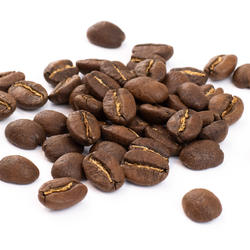


Papua New Guinea Kindeng Dry Mill Microlot – Light Roast Coffee

This microlot from the Western Highlands can do magic – if you roast it lightly, it transforms into a dynamic coffee full of life. It's best brewed using a filter. And we bet that this cup, brimming with juicy notes combining fruity sweetness and refreshing acidity, will wholly amaze you. Just like it did us. Each sip feels clear, light and still surprisingly complex. As if you'd taken a bite out of a perfectly ripe piece of fruit underneath the tropical sun.
Shipping methods
| Nizozemská pošta HD - zásilkovna | Delivered by 2. 10. | 1,00 € |
|---|---|---|
 DHL DHL |
Delivered by 2. 10. | 4,90 € |


Ingredients
100 % ArabicaTaste & Crema
Papua New Guinea Kingdeng Dry Mill Microlot doesn't leave any doubts about the fact that light roasting is the territory of fruity flavor profiles. The prominent foreground belongs to the intense juiciness of ripe pear and mango, underlined by the lively acidity of passion fruit. The sweetness is milder, reminiscent of a light, caramel syrup rather than a heavy dessert, meaning it allows each individual note to shine. The body is light, smooth, and elegant, with a lasting, refreshing aftertaste that tempts you into another sip.
Origins

In the heart of Papua New Guinea’s western inlands, in Jiwaka Province, you’ll find the Kindeng Dry Mill. It serves as a hub for community cooperation among more than 1,500 smallholder farmers from the villages of Kindeng and Arufa. Most of them farm small plots of land measuring just 1-2 hectares, surrounded by tropical vegetation and situated at elevations ranging from 1,520 to 1,770 meters above sea level. It is precisely these conditions combining high altitude, fertile sandy-loam and clay soils, and the traditional Bourbon and Typica varieties that give rise to an arabica coffee of exceptional quality.
A crucial step that shapes the coffee’s final flavor is natural processing. At the Kindeng Dry Mill, precision and care are paramount, so the harvest is always approached with great dedication to achieving an exceptional result. As soon as workers from nearby farms bring the coffee cherries to the mill, they are sorted by hand (unripe, overripe, or damaged cherries are removed). The best cherries are then dried by Kindeng Dry Mill workers on so-called African beds – raised racks that ensure good airflow and natural drying. In addition, the cherries are regularly moved and turned to prevent fermentation or mold growth while ensuring even moisture loss. This process takes an average of 30 days. The duration of drying also depends on the weather and ambient humidity. Sometimes the coffee needs to be covered with a tarp overnight; at other times, it needs more ventilation.
Once the moisture content in the coffee beans reaches the optimal level (around 11-12%), they're transferred to bags from breathable fabric and stored in dry, cool areas. The next step is 'hulling', which involves removing the dried pulp and parchment layer. After hulling, it’s time for the next sorting phase. The coffee is sorted by size, weight, and color to ensure that only high-quality beans make it into the export bags.
And now, you can also partake in this flavorful experience.
Benefits of coffee


Coffee packaging preview
Our quality aluminum packaging lacks any bold graphics, as we’d rather focus on the taste of our coffee. It always comes fresh thanks to degassing valve, which releases the gases that occur after roasting. Thanks to the hermetic seal, this container helps the contents further keep their freshness and protect them against humidity, light or foreign odors.
Instructions for preparation
- Grind the coffee according to your preferred method.
- Use 14ml of water per 1g of coffee. For 1 cup of coffee use 7g.
- Add your coffee and cover with boiled water (95°C).


Are you looking for inspiration? Other customers have bought this:
Ethiopia Sidamo Durato Bombe Microlot – Light Roast Coffee
Ethiopia Aricha Natural Grade 1 – Organic Light Roast Coffee