

Spelt-Chicory Coffee with Maca

Roasted chicory, ancient spelt and mythical maca – this "coffee" not only tastes great but also offers many stories and a wide range of beneficial nutrients to go with it. Except for caffeine, which is completely absent. Nevertheless, it will give you a great boost in your daily activities. This modern chicory drink will be your partner at work and at home.
Shipping methods
| Nizozemská pošta HD - zásilkovna | Delivered by 22. 10. | 1,00 € |
|---|---|---|
 DHL DHL |
Delivered by 22. 10. | 4,90 € |


Ingredients
47 % Chicory root, 47 % Spelt, 6 % MacaBrew & Taste
Spelt-Chicory Coffee with Maca offers a unique profile of flavor. It can be described as subtle, with a slight sweetish undertone. It's complemented by a pungent aftertaste. Overall, the drink is smooth and mellow with nutty nuances of spelt and a sweet and spicy taste of chicory. Together, they create a pleasant and complex experience.
Origins
Chicory coffee is made from the roots of the chicory plant. The roots must first be dried at a low temperature, then cooled and ground to a fineness similar to ground coffee. Such ground chicory root can be used directly to make the drink, but it has also been known to be mixed with ground coffee beans (in different proportions depending on taste preference).
What does chicory (Cichorium intybus) look like? It is a perennial herb in the Asteraceae family, usually with bright blue flowers. Its leaves can be used in salads, and its roots (as we already know) can be used to make a coffee substitute. In addition, it contains inulin, which is used in food production as a sweetener and fiber source.
Spelt (Triticum spelta) is a type of wheat that has been cultivated since 5,000 BC. It was a vital staple food in parts of Europe from the Bronze Age until the Middle Ages. Is related to wheat, barley and rye and contains carbohydrates, protein and fiber, higher levels of vitamin E and B-complex, as well as substances such as niacin, selenium, zinc, calcium, magnesium, iron and manganese, which are needed for important physical functions. The main difference between spelt and standard wheat is the hard coating around spelt – it protects the grain from weather damage, pollution and parasites.
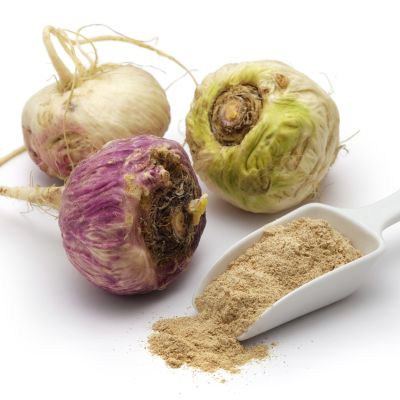
Now, all that remains is to add information about maca (Lepidium meyenii). Native to South America, it has been valued for thousands of years for its significant nutritional value and is sometimes called ''ayak chi-chira'' or ''peru-vina ginseng''. It reaches a height of about 15cm and has elongated leaves and white flowers. The most important part of the maca is the root, which resembles a beet and can be baked, boiled, dried or made into jams, puddings or porridges. It is a source of phytoestrogen, and its approved health benefits include promoting fertility and proper functioning of the hormonal system. Even organizations such as NASA have shown an interest in the properties of maca, using it in nutritional supplements for astronauts.
Benefits of coffee

Coffee packaging preview
Our quality aluminum packaging lacks any bold graphics, as we’d rather focus on the taste of our coffee. It always comes fresh thanks to degassing valve, which releases the gases that occur after roasting. Thanks to the hermetic seal, this container helps the contents further keep their freshness and protect them against humidity, light or foreign odors.
Instructions for preparation
Pour 100ml of water (90-100°C) per 2g of coffee.


| Energy value: | 28 kJ / 6,5 kcal |
| Fats: | 0 g |
| of which saturated: | 0 g |
| Carbohydrates: | 1,4 g |
| of which sugars: | 0,2 g |
| Fibre: | 0,4 g |
| Proteins: | 0,1 g |
| Salt: | < 0,01 g |
Are you looking for inspiration? Other customers have bought this:
Costa Rica Cascara
Chocolate Chips – Nougat, 32% Cocoa