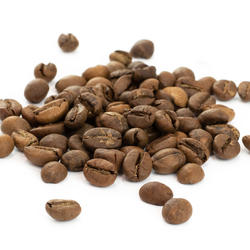


Uganda KCFCS Robusta – Roasted Coffee

Uganda is home to especially fertile soil, impressively skilled farmers and boasts a committed coffee development office. But those alone are not enough to make a great coffee – you also need joy, integrity, and a desire to learn new things. Fortunately, these are plentiful. That's why Ugandan robusta tastes full-bodied, rich, slightly acidic, and wonderfully smoky. Experience a caffeine-rich coffee that stands out independently when blended with a quality plantation arabica.
Shipping methods
| Nizozemská pošta HD - zásilkovna | Delivered by 8. 10. | 1,00 € |
|---|---|---|
 DHL DHL |
Delivered by 8. 10. | 4,90 € |


Ingredients
100 % RobustaTaste & Crema
The taste of Ugandan Robusta coffee is full and rich. It differs most from other coffees in its attractive smokiness. The acidity is mild, but the caffeine content is high. This coffee is best suited for espresso or cezve. It is also excellent for blending with plantation arabica.
Origins
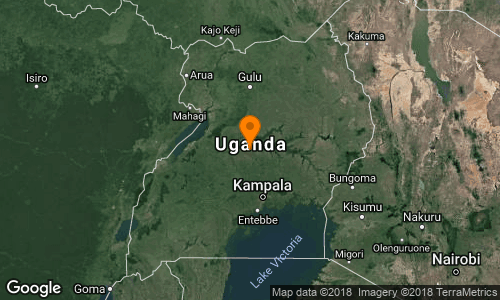
Uganda is Africa's largest coffee exporter. The landlocked presidential republic is considered the ""pearl of Africa"", probably since Winston Churchill gave it that title. The gently undulating landscape, with an average altitude of 900m, abounds in magnificent scenery with many animal species. The local tropical climate and nutrient-rich soil are ideal for growing coffee plants.
The first reports of coffee in Uganda date back to the 19th century and describe the use of coffee to boost energy during long journeys or as a substitute for cigarettes. Historical records suggest that coffee from Uganda was one of the revenue streams supporting the devastated British economy after the Second World War.
The 1980s are considered the most critical period when farmers planted nearly 200,000 hectares of Robusta and 33,000 hectares of arabica. Between 1984 and 1986, the European Economic Community (EEC) funded a program to rehabilitate coffee plantations, coffee factories and educate farmers.
Robusta coffee in Uganda is grown mainly in the Kibale rainforest region. Between 1999 and 2002, farmers and the government made great efforts to have it classified as premium coffee, and the revenue from its sale helped fund conservation activities. Coffee plantations cover the landscape around Lake Victoria, the second-largest in Africa. Small farms process the coffee cherries by sun-drying, but as the coffee industry has developed, many producers have switched to what is known as washed method.
Benefits of coffee
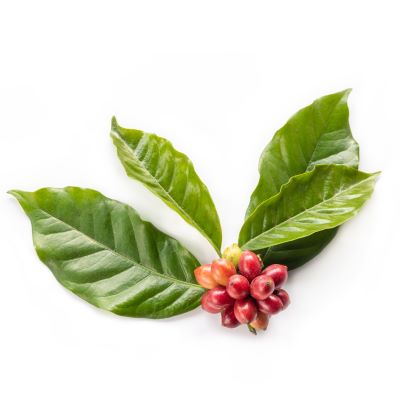

Coffee packaging preview
Our quality aluminum packaging lacks any bold graphics, as we’d rather focus on the taste of our coffee. It always comes fresh thanks to degassing valve, which releases the gases that occur after roasting. Thanks to the hermetic seal, this container helps the contents further keep their freshness and protect them against humidity, light or foreign odors.
Instructions for preparation
Grind your coffee according to your preferred method.
Use 14ml of water per 1g of coffee. For 1 cup of coffee use 7g.
Add your coffee and pour over with boiled water (95°C).


Are you looking for inspiration? Other customers have bought this:
Brazil Conillion Robusta – Roasted Coffee

Tanzania Bukoba Robusta – Organic Roasted Coffee