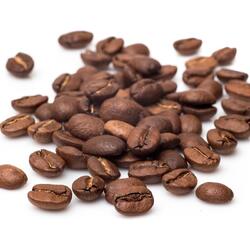


Venezuela Maracaibo – Roasted Coffee

Arabica Venezuela Maracaibo will enchant you with its sweet notes and moderately strong taste. It comes from northwestern Venezuela, where farmers usually process the coffee using the wet method resulting in a complex, natural character. You can accentuate it by preparing it on a filter, in an AeroPress or a moka pot. For summer days, we recommend making it into cold brew.
Shipping methods
| Nizozemská pošta HD - zásilkovna | Delivered by 19. 10. | 1,00 € |
|---|---|---|
 DHL DHL |
Delivered by 19. 10. | 4,90 € |


Ingredients
100 % ArabicaTaste & Crema
Venezuela Maracaibo offers a sweet taste, balanced acidity and a smooth finish. When tasted carefully, you will notice a pleasant freshness. The crema is smooth, compact and not too high.
Arabica is suitable for most preparations. You can enjoy it on filter, as an espresso, or cold brew. A long contact with cold water will give your coffee even more delicate and colorful notes.
Origins
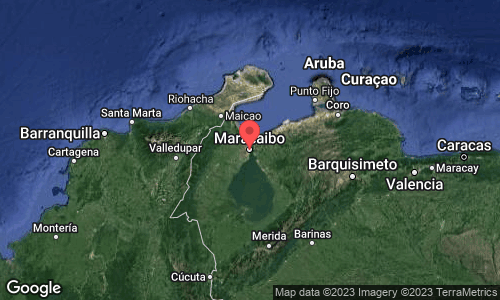
Venezuela, specifically the Premontanne region in the Andes, has been associated with coffee since the late 18th century. The credit goes to the Jesuit priest José Gumilla, who brought coffee trees to the area in 1732. Since then, coffee production in the country has expanded thanks to the high demand and available labor. Formerly, farmers exported it to Brazil, but gradually Venezuela has become a player in the coffee market in its own right. Coffee plantations are found mainly on the coast and in the western Andes.
Crucial factors for successful production are good soil quality and sufficient moisture. In the Andean area, coffee trees are planted in a way that protects them from the direct sun with a canopy of mature trees. In the shade, coffee cherries ripen more slowly and, therefore, have enough time to develop full, rich flavor.
Coffee trees are most commonly found between 300-1,520m, with particularly fertile areas in the highlands such as Táchira, Mérida and Trujillo. From here, traders send them to the port of Maracaibo. It is from this port that the arabica takes its name. Venezuela is characterized by sub-varieties such as Cucuta, Mérida, Trujillo and Tachira. However, the main coffee plant grown by farmers there is still the arabica (Coffea arabica L.).
Most of the coffee produced on the farms is produced between December and January, with exports being directed towards the period from October to May. Besides Venezuela itself, most of their coffee goes to the USA, Germany and Belgium.


Benefits of coffee


Coffee packaging preview
Our quality aluminum packaging lacks any bold graphics, as we’d rather focus on the taste of our coffee. It always comes fresh thanks to degassing valve, which releases the gases that occur after roasting. Thanks to the hermetic seal, this container helps the contents further keep their freshness and protect them against humidity, light or foreign odors.
Instructions for preparation
Grind your coffee according to your preferred method.
Use 14ml of water per 1g of coffee. For 1 cup of coffee use 7g.
Add your coffee and cover with boiled water (95°C).


Are you looking for inspiration? Other customers have bought this:
Brazil Santos NY2 SSFC 17/18 – Roasted Coffee
Brazil South of Minas – Roasted Coffee